




Implant dentar ceramic – etape, preț, avantaje
 Author:
  February 25, 2026
Pierderea unui dinte nu afectează doar estetica zâmbetului, ci și funcția masticatorie și echilibrul întregii arcade. Printre opțiunile moderne de tratament se numără implantul dentar ceramic, o variantă realizată din zirconiu, un material alb, rezistent și bine tolerat de organism.
Față de implanturile clasice din titan, varianta ceramică este aleasă în special pentru aspectul său natural și pentru dorința unor pacienți de a evita componentele metalice. Indicația corectă se stabilește însă doar în urma unei evaluări clinice complete.
Ce este un implant dentar ceramic?
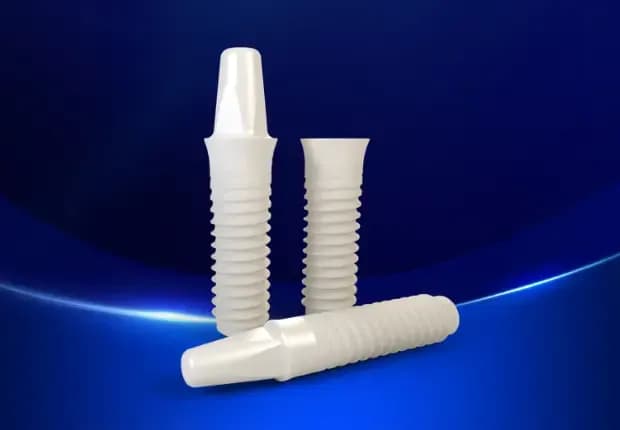
Implantul dentar ceramic este o structură din zirconiu inserată în osul maxilar sau mandibular pentru a înlocui un dinte absent. După integrarea în os, acesta susține o coroană realizată personalizat, astfel încât rezultatul final să fie cât mai apropiat de dintele natural.
Sistemele modern de implant dentar ceramic sunt concepute monobloc, ceea ce înseamnă că implantul și bontul protetic formează o singură piesă. Această caracteristică permite o precizie crescută și o integrare estetică superioară.
Care este diferența față de implantul din titan?
Diferența principală este materialul. Implantul din titan este metalic, gri, și are o utilizare clinică documentată de peste patru decenii. Implantul ceramic este realizat din zirconiu, un material nemetalic, de culoare albă.
În zona frontală, unde gingia poate fi mai subțire, implantul ceramic poate oferi un avantaj estetic prin eliminarea riscului apariției unei umbre gri. În schimb, implantul din titan rămâne o opțiune foarte versatilă în cazuri complexe. Alegerea nu este una standard, ci personalizată.
De ce aleg pacienții implantul dentar ceramic?
Pentru mulți pacienți, estetica este criteriul decisiv. Studiile arată că peste 60% dintre persoane aleg tratamentele dentare și din considerente estetice, iar implantul ceramic răspunde acestei nevoi prin culoarea sa naturală.
Un alt motiv este biocompatibilitatea. Zirconiul este un material bine tolerat, iar pentru pacienții care își doresc o soluție fără metal sau care prezintă afecțiuni sistemice precum diabetul sau osteoporoza, implantul ceramic poate reprezenta o opțiune potrivită, în urma evaluării medicale.
Pentru a înțelege mai bine beneficiile acestui tip de tratament, poți afla câteva avantaje implant dentar ceramic
și modul în care acesta poate contribui la obținerea unui zâmbet natural și sănătos.
Etapele unui implant dentar ceramic
Tratamentul cu implant dentar ceramic nu înseamnă doar inserarea unei piese în os. Este un proces etapizat, care începe cu o planificare atentă și se finalizează cu o restaurare protetică adaptată fizionomiei pacientului.
Durata totală variază, în medie, între 3 și 6 luni, în funcție de densitatea osoasă și de eventualele proceduri suplimentare necesare.
Consultația și evaluarea inițială
Prima etapă presupune o examinare clinică și investigații imagistice, de regulă radiografie panoramică sau CBCT. Acestea permit evaluarea volumului osos și a poziției structurilor anatomice importante.
În această fază se stabilește dacă implantul ceramic este indicat sau dacă sunt necesare proceduri suplimentare, cum ar fi adiția osoasă. O planificare corectă reduce riscul complicațiilor și crește predictibilitatea rezultatului.
Intervenția chirurgicală
Inserarea implantului se realizează sub anestezie locală. Medicul pregătește locul în os și poziționează implantul conform planului stabilit anterior.
Procedura este, în general, bine tolerată. După intervenție poate apărea un disconfort moderat, care se controlează prin medicație și respectarea indicațiilor postoperatorii.
Perioada de osteointegrare
După inserare urmează etapa esențială: osteointegrarea. În această perioadă, osul se fixează în jurul implantului, conferindu-i stabilitate.
Conform datelor publicate de producătorul de implant dentar Straumann, rata de succes a implantului ceramic după 3 ani este de 97,5%, ceea ce confirmă stabilitatea și predictibilitatea acestei soluții.
Montarea coroanei dentare
După confirmarea integrării osoase, se realizează restaurarea protetică. Coroana este personalizată astfel încât să respecte forma, culoarea și proporțiile dinților naturali.
Rezultatul final este un dinte fix, stabil, care permite masticația normală și se integrează armonios în zâmbet.
Avantajele implantului dentar ceramic
Unul dintre principalele avantaje este estetica. În zona frontală, unde fiecare detaliu contează, culoarea albă a zirconiului poate face diferența în obținerea unui rezultat natural.
Un alt beneficiu ține de toleranța biologică. Zirconiul este un material biocompatibil, iar acumularea bacteriană la nivelul suprafeței sale poate fi redusă comparativ cu alte materiale. În plus, rezistența mecanică permite utilizarea pe termen lung, în condiții de întreținere corectă.
Preț implant dentar ceramic
Costul unui implant dentar ceramic depinde de mai mulți factori: complexitatea cazului, necesitatea adiției osoase, tipul coroanei și tehnologia utilizată în planificare.
În general, implantul ceramic poate avea un preț mai ridicat decât cel din titan, datorită materialului și procesului de fabricație. Estimarea exactă se stabilește doar în urma consultației și a planului personalizat de tratament. Află mai multe despre Preț implant dentar.
Frequently asked questions about ceramic dental implants
How long does the entire process take?
Typically, between 3 and 6 months. If additional procedures are required, the duration may increase.
Is the procedure painful?
The procedure is performed under local anaesthesia, so the patient feels no pain during insertion. Postoperative discomfort is usually moderate.
Is it more expensive than a titanium implant?
Most of the time, yes. The difference in cost reflects the material and specific indications.
How long does a ceramic implant last?
With proper hygiene and regular checks, it can last for many years, as it is designed to be a durable solution.
Who can benefit?
Patients who have lost one or more teeth and have sufficient bone support may be suitable candidates. Eligibility is determined only after clinical evaluation.