




3 ways to treat halitosis using a dental laser
 Author:
  November 21, 2023
- One in four people worldwide experience the undesirable effects of halitosis
- Although underestimated, halitosis has a significant impact on quality of life and social engagement
- Treating halitosis with a laser is an effective treatment option
Halitosis, the medical term for bad breath, affects between 22% and 50% of the global population. Most often, people suffering from halitosis are unaware of it; therefore, it is best to consult a dentist for regular check-ups, particularly for smokers.
Although it can mask serious systemic conditions, such as diabetes, respiratory infections, and kidney, liver or gastrointestinal disorders, in 80% of cases, the cause lies within the oral cavity.
Halitosis – symptoms and diagnosis
The symptoms of halitosis can vary depending on the cause, but the most common include an unpleasant odour coming from the mouth, a dry sensation, and a persistent unpleasant taste. These symptoms may be more pronounced in the morning, after drinking coffee or smoking.
When the source is located in the mouth, the first thing to check is how thoroughly daily oral hygiene is carried out, as this is the first line of defence against the build-up of bacterial plaque. Next, we can look at the consumption of foods that exacerbate halitosis, such as coffee, alcoholic drinks and smoking, which dehydrate the mouth.
Conditions also associated with unpleasant odour include xerostomia (dry mouth syndrome), sinusitis (inflammation of the sinuses) or periodontal disease (which affects over 50% of the European population).
The diagnosis and treatment plan for halitosis are determined following an assessment of the oral cavity, the patient’s general health, and the symptoms they are experiencing. A range of additional investigations may, of course, be carried out, such as blood tests, saliva tests, dental X-rays or other investigations depending on the patient’s general health conditions.
Treatment options
Fortunately, there are now effective solutions available to combat bad breath.
The most readily available solutions are dental hygiene measures such as using mouthwash, toothpastes with a high alcohol content, chewing gum, oral sprays and tongue scrapers. However, studies show that their effectiveness is limited and short-lived.
A far more effective solution is the use of dental lasers. Research and innovation in laser dentistry have led to the development of new methods for combating halitosis using lasers.
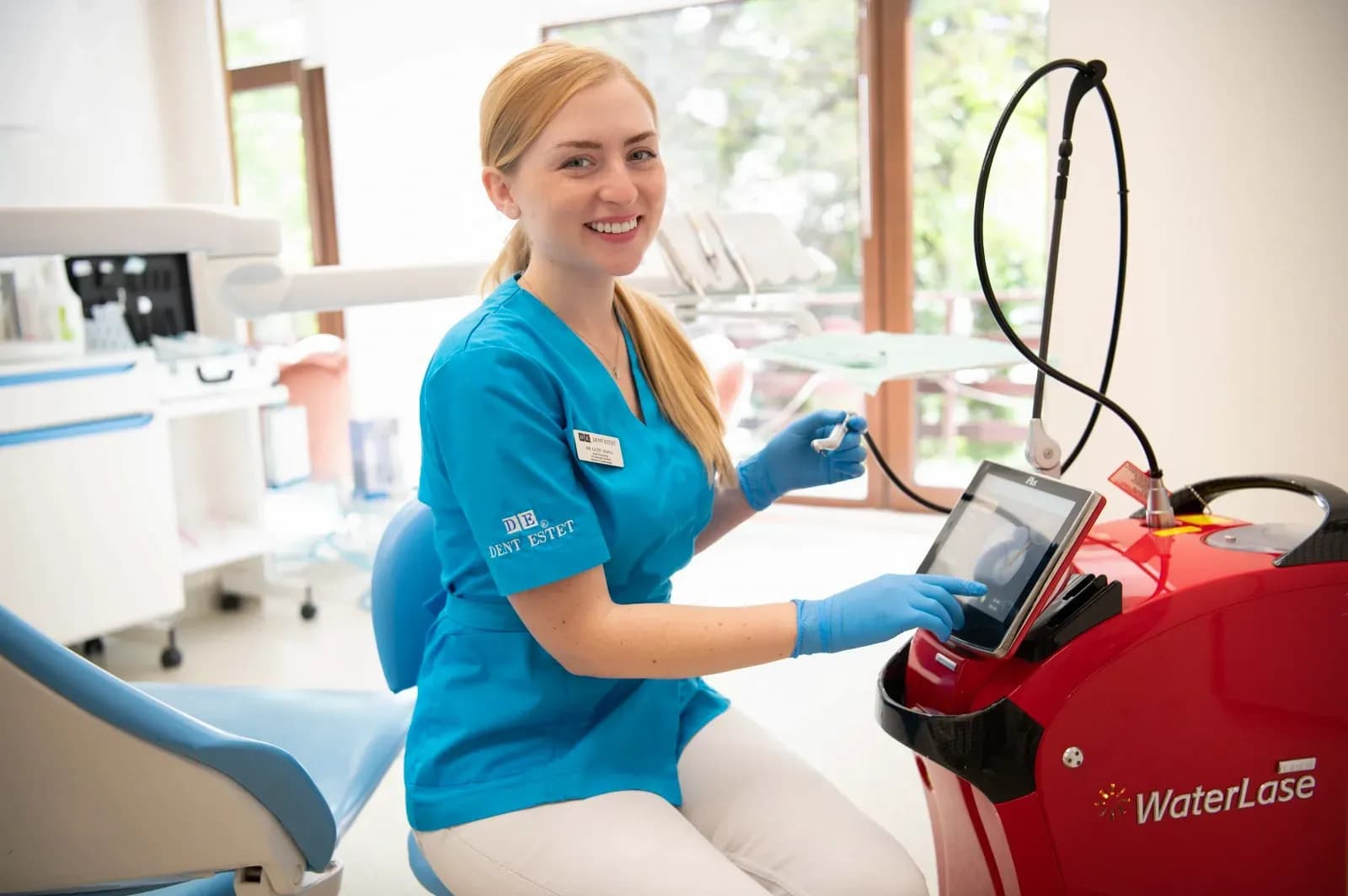
Therapy with Erbium, Er, Cr:YSGG (such as Waterlase®) or Er:Yag (such as Pluser®) lasers reduces the bacterial load over a longer period of time.
3 ways in which laser treatment can help you combat halitosis effectively:
1. The laser removes bacteria from hard-to-reach areas
When brushing at home, the small spaces that we cannot clean effectively with a toothbrush or dental floss are ideal breeding grounds for bacteria. With the help of the laser, these bacteria are destroyed and their numbers are significantly reduced. In this way, the treatment reduces the sources of unpleasant odours.
“Studies show that the laser has proven effectiveness in combating halitosis. A single laser session is sufficient for most patients, whilst only more severe cases of halitosis, with persistent bacterial deposits, require two or three sessions. The major advantage is that the laser’s action is gentle and the treatment is readily accepted by patients,” explains Dr Diana Guțiu, a specialist in periodontology at DENT ESTET clinics.
2. The laser is effective in treating periodontitis
When halitosis is caused by gingival or periodontal inflammation, laser treatment is a minimally invasive option for decontaminating soft tissues. As a result of this procedure, bacteria are removed from the periodontal pockets – those small spaces between the gum and the tooth – so that the gum can reattach. It is important that this treatment is carried out by a dentist with proper training in the use of dental lasers; otherwise, it will not deliver the desired results.
3. The laser is effective at cleaning the tongue.
Another common cause of halitosis is the build-up of bacteria on the back of the tongue. The laser can be used to clean the surface of the tongue and reduce the number of bacteria responsible for the unpleasant odour. At the same time, it improves the tongue’s appearance.
To keep halitosis under control, it is necessary to maintain good oral hygiene at home and avoid or limit tobacco or alcohol consumption as much as possible. It is also recommended not to go more than six months between visits to the dentist. Regular check-ups and preventive care appointments are effective in combating halitosis in most cases.
“Laser treatment is a highly effective solution for treating many dental conditions, and halitosis is one of them. However, we recommend that patients seek out dentists who are well-trained in this technology, as this is the only way to ensure reliable results,” explains Dr Diana Guțiu.
DENT ESTET clinics are committed to providing excellence in dental care, and part of this mission involves investing in training dentists in the most modern treatment methods, as well as in high-performance equipment supplied by renowned manufacturers of dental lasers, which you will find in our adult clinics.
References
- Woźniak, A., Matys, J., & Grzech-Leśniak, K. (2022). Effectiveness of lasers and aPDT in the elimination of intraoral halitosis: A systematic review based on clinical trials. Lasers in Medical Science, 37(9), 3403–3411.
- Finkelstein, Y., Talmi, Y. P., Ophir, D., & Berger, G. (2004). Laser cryptolysis for the treatment of halitosis. Otolaryngology–Head and Neck Surgery, 131(4), 372–377.
- Poormoradi, B., Gholami, L., Fekrazad, R., Hooshyarfard, A., Noorani, A., Haghpanah, Z., & Farhadian, M. (2021). Comparison of the effect of Er,Cr:YSGG laser and Halita mouthwash on oral malodour in patients with chronic periodontitis: A randomised clinical trial. Journal of Lasers in Medical Sciences, 12, e26.
- Decisions in Dentistry. (n.d.). Low-energy laser ablation therapy for hairy tongue.