




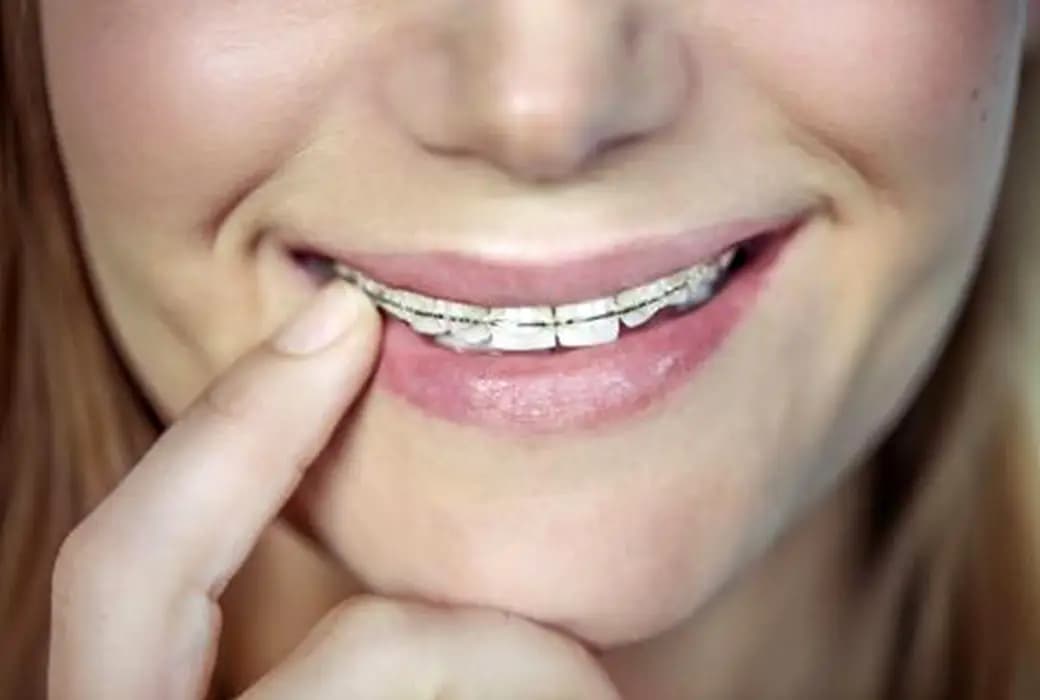
Frequently asked questions about orthodontic emergencies during the Covid-19 pandemic
 Author:
  November 8, 2022
The current global situation, caused by the SARS-CoV-2 pandemic, is imposing a number of restrictions on patients’ access to dental services. As such, during the state of emergency, both in Romania and in other countries across Europe and the US, dental clinics are providing only emergency treatment, which does not include orthodontic emergencies, according to documents issued by the relevant authorities.
There are, however, numerous situations in which patients wearing removable and fixed dental braces require urgent referral to a specialist:
- Brackets/tubes/elastics coming loose;
- The archwire coming out of the tube and injuring the tissues in the oral cavity;
- Activation and wearing of removable appliances, activation of expanders, wearing of trainers, removal of mini-implants, inflammation of the gums;
- Detachment of fixed appliances cemented to the teeth (such as lingual arches, lingual shields, transpalatal arches, Nance appliances, etc.).
Frequently asked questions about orthodontic treatment during the Covid-19 pandemic
Will orthodontic treatment take longer if I don’t visit the dentist during this period?
Progress will be slower, but it will continue, and there will be a reasonable delay (which, depending on how long it takes before your next orthodontic check-up, could mean several months). However, throughout this period, the ‘braces are not idle’ as you might assume, nor will they cause irreversible adverse effects:
a) fixed braces – the wires remain active for a period of several weeks, then help maintain the results achieved; the forces applied are gentle and kind to the tissues supporting the teeth.
b) Intermaxillary and extraoral elastics must be worn as instructed by your dentist. If you have used them all up, you can ask the specialist/clinic to send you a new supply.
c) Removable appliances such as custom-made aligners (Invisalign, etc.) should be worn in the sequence specified in the treatment plan; at the end, the situation will be reassessed and, if necessary, additional finishing aligners will be ordered.
d) Fixed appliances such as disjunctors, distalisers, mouse traps, etc., whether or not anchored to mini-implants, will stabilise the result following the activation phase
e) Retainers/retainer appliances worn consistently will maintain the results achieved during orthodontic treatment
If an elastic band falls off a bracket or a metal ligature comes loose, or if its end is bothering me, what should I do?
A bracket, elastic or ligature coming loose from a bracket does not destabilise the appliance; the archwire remains attached to the elastics or ligatures on the brackets placed on the other teeth.
The end of the metal ligature causing discomfort can be repositioned so that it no longer irritates the soft tissues using a pencil with an eraser at the end, a cotton bud, etc.
What should I do if the wire comes out of the tube/ring?
A wire that comes out of the tube/ring can be reinserted using tweezers, provided it is elastic, round in cross-section and small in size. If it is rigid, rectangular in cross-section and difficult to handle, it should be cut using tools recommended by your dentist and only with their consent.
What should I do if a bracket comes loose?
I leave it there if it doesn’t bother me or cause discomfort, and I remove it as instructed by the orthodontist if its loosening causes damage.
What should I do if my teeth start to hurt very badly? What could be the cause?
I contact the specialist, provide them with all the details regarding the problem I am facing, and send them clear enough photos so that they can form an objective view of the situation. I await their instructions; I do not take any action myself nor do I self-medicate.
If the patient is in the pre-surgical orthodontic preparation stage (orthognathic surgery), they should be aware that the treatment is likely to be prolonged.Furthermore, patients wearing extraoral appliances must strictly consult their coordinating orthodontist for guidance on the steps to follow to ensure continuity of treatment.
It is important to note that we must stay in constant contact with the coordinating orthodontist and follow their direct guidance. They are familiar with the case and the medical history of every patient they treat; therefore, their advice will ensure the treatment remains on track, even in this unusual situation where routine appointments are not possible.
If, however, you are unable to contact your dentist, you can write to our team of orthodontists at help@dentestet.ro. They will certainly be able to offer you expert advice.