




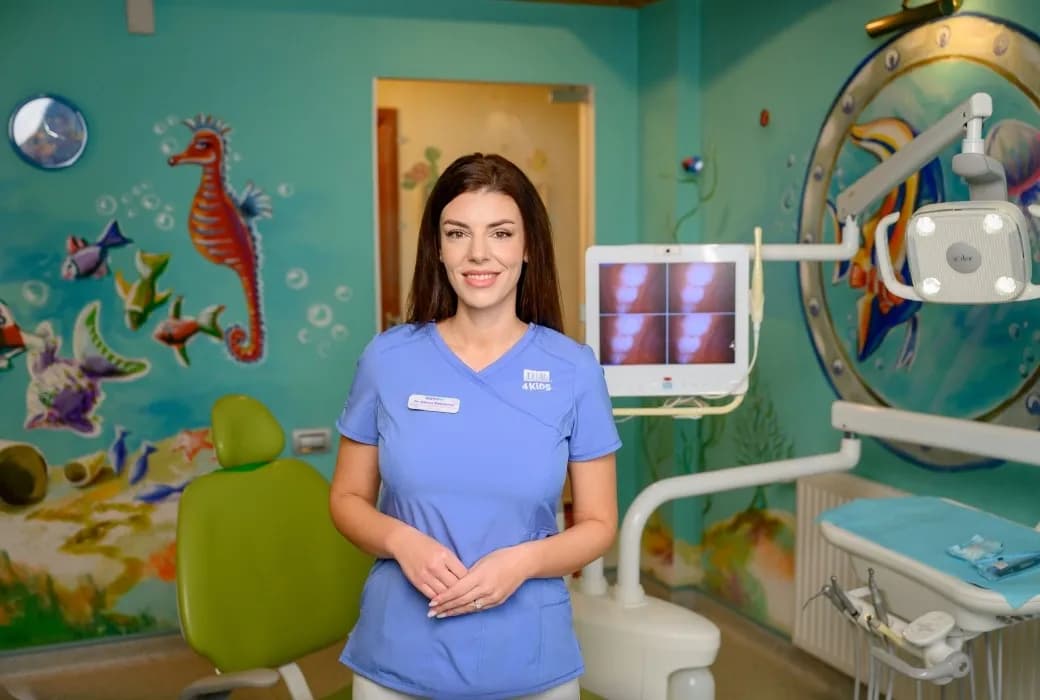
 Author:
  January 23, 2026
Proper nutrition when wearing fixed braces is crucial to prevent damage to the braces, such as brackets coming loose or wires breaking, but also to protect the health of your teeth.
If you have started orthodontic treatment with metal braces, it is good to know which foods to avoid in order to prevent tooth decay, gingivitis or other dental problems. On the other hand, it is necessary to eat foods that provide you with the necessary nutrients.
In this article, you will discover what foods you can and cannot eat if you have fixed braces with metal or ceramic brackets.
Recommended foods for people with braces
Proper nutrition during treatment with fixed braces has many advantages.
"First of all, we protect the braces by avoiding hard or sticky foods. These can loosen the brackets, but they can also cause cavities if hygiene is not performed properly after consumption," explains Dr. Raluca Bădulescu, Specialist in Orthodontics and Dentofacial Orthopaedics.
What you can eat if you wear braces:
- Soft foods: purées (potatoes, vegetables), cream soups, omelettes, dairy products, soft cheeses, oatmeal, pudding, rice, pasta
- Vegetables: steamed or boiled
- Fruit: bananas, berries, hard fruit can be cut into small pieces
- Meat and fish dishes: minced/sliced
Foods to avoid with braces
There are many foods that should be avoided when wearing braces, so as not to jeopardise the success of orthodontic treatment.
"Eating hard foods, such as sweets or hard pretzels, can have an impact on your braces and your teeth. They can damage or loosen brackets and springs, which would require additional visits to the orthodontist to repair or replace the affected parts of the braces. For this reason, we recommend avoiding them," says Dr. Raluca Bădulescu.
Foods you cannot eat if you have metal or ceramic braces:
- hard sweets
- sticky foods (caramels, jellies, chewing gum)
- popcorn
- nuts
- crunchy fruits and vegetables (apples, raw carrots)
- pretzels, crisps
In addition, if you wear ceramic braces, you should avoid or reduce your consumption of dark-coloured foods/drinks (coffee, tea, red wine, dark-coloured sauces, berries, turmeric) to prevent staining of the brackets.
Recommendations by type of dental appliance
There are various types of dental braces (metal, ceramic, transparent aligners), each with its own dietary recommendations and restrictions.
Fixed metal braces
If you are undergoing treatment with fixed braces (metal or ceramic), there are a variety of recommended foods.
"You can focus on soft, easy-to-chew foods such as yoghurt, soups, eggs, pasta and soft fruits. However, if you want to eat hard fruits or steak, we recommend cutting them into small pieces and chewing them gently to protect your braces and ensure comfort. Hard, sticky or difficult-to-chew foods should be avoided, as they can break the springs or loosen the braces, especially after adjustments, when your teeth are sore," explains Dr. Raluca Bădulescu.
Fixed ceramic braces
Unlike metal braces, ceramic braces are more fragile, so proper nutrition is necessary for long-term treatment success.
Therefore, as with fixed metal braces, hard, sticky and crunchy foods (nuts, hard candies, popcorn, caramel, ice) should be avoided.
In addition, to prevent staining of the braces, dark-coloured foods/drinks (coffee, tea, red wine, dark-coloured sauces, berries, turmeric) should be avoided.
Clear aligners (dental aligners)
Clear aligners have become an alternative to fixed braces due to the advantages they offer, one of the most important being that there are not as many dietary restrictions.
With clear aligners, such as Invisalign or Spark, available at DENT ESTET clinics, you can eat anything because the aligners can be removed at mealtimes.
"Invisible or transparent braces offer the advantage that you can eat anything because you can remove the aligners. However, it is equally important to avoid eating or drinking (except water) with the aligners in place to prevent damage, stains and food getting stuck, which can cause cavities. After each meal, we must brush our teeth and floss before putting the aligners back on our teeth," says Dr. Raluca Bădulescu.
General tips for eating with braces
- Cut food into small pieces to make chewing easier
- Chew gently
- Maintain dental hygiene after every meal to avoid tooth decay
- Follow your orthodontist's advice to ensure the success of your orthodontic treatment
The benefits of adhering to dietary restrictions
Proper nutrition plays an important role in the success of orthodontic treatment and in maintaining long-term dental health.
By choosing soft, nutrient-rich foods and avoiding those that can damage braces or teeth, you can ensure that your treatment proceeds without complications.
Also, good oral hygiene, combined with a balanced diet, will help you keep your teeth and gums healthy and get the results you want at the end of your treatment.
Dental implants between marketing and medical reality
Questions about eating when wearing braces
What foods are prohibited when wearing braces?
It is not recommended to eat popcorn, chewing gum, caramels, nuts, large pieces of apple/carrot, pretzels, or candy.
What foods are allowed when wearing braces?
When undergoing orthodontic treatment, you can eat yoghurt, soft cheeses, eggs, fish, minced meat, pasta, rice, boiled/mashed potatoes, cooked vegetables, soft fruits (bananas, avocados, berries), cream soups, and soft bread.
What should I do if a bracket or wire breaks?
We recommend that you keep the bracket that has come loose and make an appointment with the orthodontist who is treating you.