




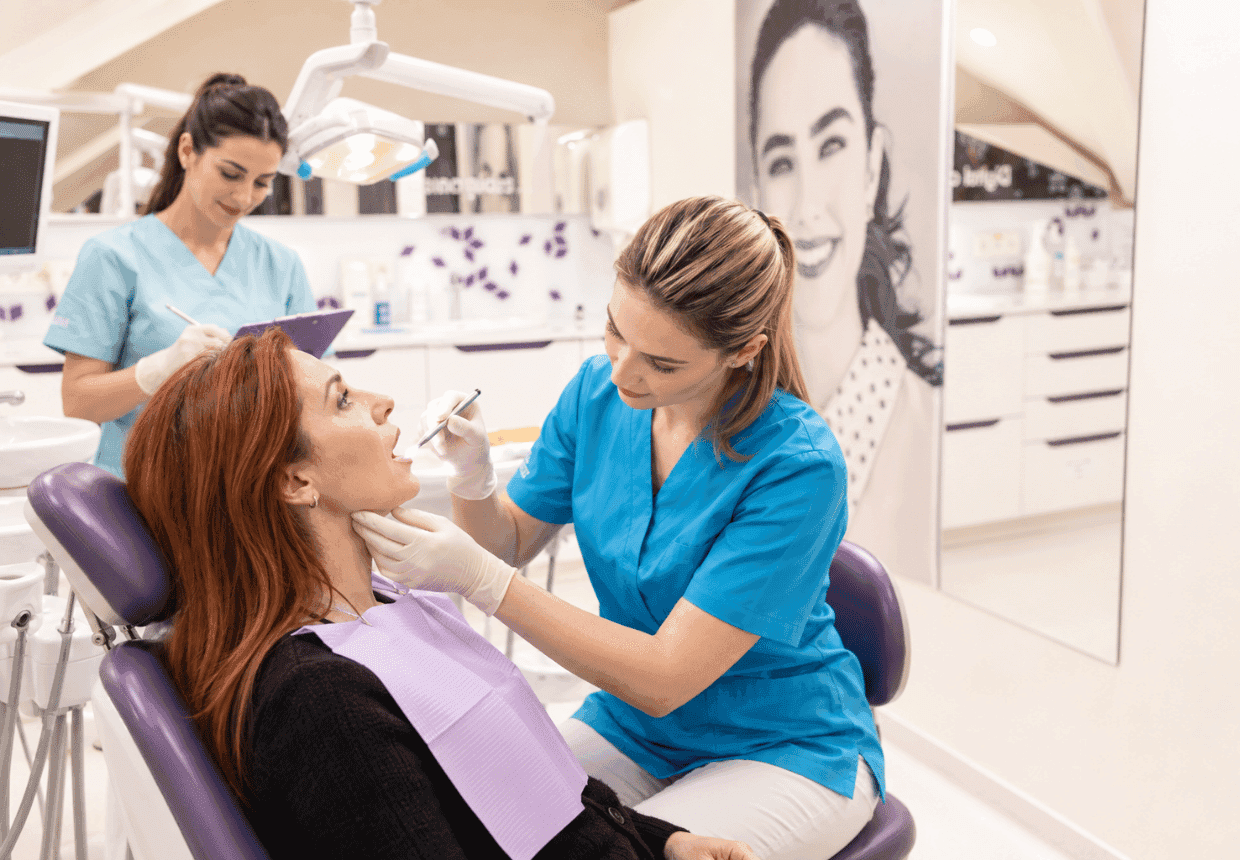
How to treat excessive salivation – medical and dental options
 Author:
  September 24, 2025
Sialorrhoea, or hypersalivation, refers to a pathological condition characterised by the presence of excessive saliva in the oral cavity. The medical literature also recognises the term ‘ptialism’ as a synonym.
Saliva is a watery and usually frothy substance produced by the three major paired salivary glands – the parotid, submandibular and sublingual glands – and by several hundred minor salivary glands. Saliva is composed mainly of water, but also contains electrolytes, mucus, antibacterial compounds and various enzymes. It is estimated that a healthy person produces between 0.75 and 1.5 litres of saliva per day. When stimulated—whether by smell, touch or taste—salivary flow increases fivefold, with the parotid glands supplying the majority of the saliva.
Normal versus pathological
The various functions of saliva include the mechanical cleansing of the oral cavity, contributing to oral homeostasis and the regulation of oral pH. Saliva also has bacteriostatic and bactericidal properties that contribute to dental health and the reduction of halitosis (bad breath). It is important for lubricating the food bolus, and the amylase in saliva begins the digestion of starch as early as the oral cavity.
For the body to function properly, salivation is a normal and necessary process, and when it occurs in excess – hypersalivation – it may be a symptom of certain medical conditions.
Excessive salivation: main causes
Hypersalivation is common in infants and disappears by the age of three years, as the central nervous system matures and salivary control is established. During teething, the symptoms of hypersalivation intensify due to inflammation of the mucous membrane and the processes involved in the teeth breaking through the gums.
After the age of four, hypersalivation is considered an abnormal condition and represents a significant pathology for a large number of patients with cerebral palsy and a smaller number with other types of neurological or cognitive disorders. In children, mental retardation and cerebral palsy are often involved. Children with neurological impairment may experience a delay in the maturation of oral neuromuscular control and may continue to improve their control until around the age of six, which leads doctors to delay any aggressive intervention until that point.
In adults, Parkinson’s disease is the most common cause, followed by stroke, amyotrophic lateral sclerosis, multiple sclerosis, Down’s syndrome or autism. Congenital abnormalities of the mouth or face are also involved.
Are there different types of hypersalivation?
There are two types of hypersalivation:
- anterior hypersalivation: when saliva overflows from the oral cavity onto the lower lip due to salivary incontinence, representing the most visible type of hypersalivation;
- posterior hypersalivation: when the flow of saliva is produced by the salivary glands towards the pharynx, being less visible.
Is sialorrhoea a contagious disease?
Patients with sialorrhoea individually experience a significant increase in the amount of saliva, which has a direct impact on their health and quality of life. One of the main symptoms of hypersalivation is the frequent need to swallow, in order to reduce the amount of saliva accumulated in the oral cavity, resulting in facial muscle fatigue. Symptoms vary depending on the identified cause and the severity of the condition.
Another common symptom is excessive drooling, which is unsightly and bothersome, clearly causing emotional distress, lowering self-esteem and limiting social interaction. Due to the constant loss of saliva in anterior hypersalivation, patients may experience dehydration, with the immediate consequence of bad breath.
What impact does excessive salivation have?
Functional problems relating to speech, chewing or breathing directly affect patients with hypersalivation. The large amount of saliva hinders the correct pronunciation of words and can cause communication difficulties for the patient. Similarly, problems with chewing may be identified – excess saliva can hinder the digestion and nutrition process by making it difficult to swallow food and liquids normally or by altering taste through the dilution of the chemical components responsible for taste sensations. As risk factors, certain foods, such as citrus fruits or foods high in sugar or carbonated drinks, can contribute to hypersalivation.
In the oral cavity, excess saliva can create an environment conducive to bacterial growth, thereby increasing the risk of infections and inflammation of the mucous membrane. Dryness and peeling of the lips, dermatitis and perioral fissures, and maceration with secondary infections may be observed. Aspiration of saliva into the lungs, frequent coughing or nausea are common symptoms and represent complications in posterior hypersalivation.
Sialorrhoea is usually caused by neuromuscular dysfunction, hypersecretion, sensory dysfunction or anatomical dysfunction. Within the oral cavity, anatomical changes include macroglossia—an enlarged tongue—oral incompetence, dental malocclusions, orthodontic anomalies, and surgical defects of the head and neck.
From a dental perspective, dental conditions, including extensive caries, gingival infections and missing teeth, can negatively affect the ability to control saliva. Regular dental care and prompt treatment of oral problems can significantly reduce the incidence of excessive salivation. Furthermore, ill-fitting or damaged dentures can exacerbate sialorrhoea and must be adjusted or replaced to ensure optimal oral function. For the same reason, wearing orthodontic appliances can lead to hypersalivation.
Dental treatment for hypersalivation
The diagnosis and treatment of excessive salivation involve assessing the patient’s signs and symptoms, medical history and clinical examination, ideally through a multidisciplinary approach. General practitioners focus on the impact of hypersalivation and improving quality of life. Dentists, specialists in oral and maxillofacial surgery, paediatric dentistry or orthodontics, assess oral pathology and correct the bite. ENT specialists identify and remove aerodigestive obstructions (macroglossia or tonsillar hypertrophy). Neurologists may monitor patients for significant cranial neuropathies. Other useful investigations in the diagnosis of sialorrhoea may include biochemical analysis of saliva, sialometry (measurement of salivary flow) and assessment of the volume of saliva produced, or sialoendoscopy, to detect any morphological changes or obstructions in the salivary glands.
Treatment for sialorrhoea begins with non-pharmacological options and involves examining the oral cavity, including the oral mucosa and teeth, checking the fit of any prosthetic work, and assessing the tonsils.
Natural remedies for sialorrhoea do not replace professional treatment, but focus on alleviating symptoms—avoiding irritating foods (very spicy, very acidic or very salty), consuming foods rich in antioxidants, and stimulating the salivary glands through gentle massage with clean fingers. Paradoxically, increasing water intake to maintain the body’s fluid balance can help reduce hypersalivation. Saliva thus becomes less viscous and is easier to swallow. Sage, with its astringent and antimicrobial properties, improves overall oral hygiene, and sage teas can reduce saliva production. Another plant used as a remedy for managing hypersalivation is ginger. Hard sweets, which must be sugar-free to prevent tooth decay, are another natural option designed to encourage frequent swallowing. This effect is similarly replicated through the use of palatal devices. Acupuncture may be another natural treatment alternative, helping to reduce saliva production by modulating the activity of the autonomic nervous system.
Dental treatment for hypersalivation may involve the adjustment of dentures and poorly fitted restorations, as well as rigorous oral hygiene, to prevent complications. Proper care of the perioral skin is also important to avoid irritation and infection of skin damaged by excess saliva. This may include the use of specific skin protection products. Furthermore, orthodontic treatment to correct the bite using various types of braces may be recommended for the management of hypersalivation.
Certain palatal training devices are designed to correct tongue position and improve soft palate function, thereby contributing to more efficient swallowing. These appliances can be customised to suit each patient’s individual anatomy. Other palatal devices can help improve lip closure. Small movable beads can be placed intraorally to stimulate tongue movements, thereby helping to divert saliva towards the pharynx. The use of these beads in combination with swallowing therapy has been successful in patients with moderate sialorrhoea. Biofeedback and automatic signalling techniques, using electronic devices that record real-time feedback, have successfully treated patients with mild neurological dysfunction and excessive salivation. Chin cups and bibs are practical solutions for managing excessive salivation, particularly in children or those requiring additional care. Chin cups support the jaw and can improve jaw alignment, whilst bibs protect clothing and skin from excessive moisture. Although these devices do not treat the cause of sialorrhoea, they can improve patients’ comfort and hygiene in their daily lives.
How to keep excessive salivation under control
One aspect of the treatment for excessive salivation involves exercises to strengthen the oral muscles and swallowing techniques designed to minimise the risk of food aspiration. Specific techniques facilitate the efficient transfer of saliva and food from the oral cavity to the pharynx and oesophagus, or aim to modify head posture. The exercises involve conscious and controlled swallowing, awareness of tongue movements, and contraction of the throat muscles. Initial sessions are short, with frequency and duration increasing gradually as technique improves. Speech therapy sessions are necessary in this process, providing personalised instruction and support to improve control of saliva secretion through increased coordination during swallowing. Therapy may include breathing exercises, tongue repositioning techniques and exercises to manage saliva secretion.
Correct head positioning, slightly raised and upright, prevents saliva from accumulating at the front of the oral cavity. Hypersalivation during sleep can be managed by using multiple pillows; it is important to strike a balance between correct positioning and the patient’s overall comfort.
Oral medications for reducing hypersalivation are anticholinergics (benzotropine, with doses adjusted according to the severity of side effects), which act by blocking the receptors that stimulate the salivary glands. An alternative for patients in whom oral medication is ineffective, or for those with certain contraindications, is botulinum toxin type A injections. The procedure involves injecting the toxin directly into the salivary glands, with effects that can last for several months. The procedure can be repeated.
Surgical treatment of hypersalivation involves the removal of the salivary glands, ligation or redirection of the parotid ducts to alter the drainage pathway of saliva, and is considered in cases of severe sialorrhoea that is resistant to the aforementioned therapeutic alternatives.
Hypersalivation, although a troublesome condition, can be managed through numerous natural and medical strategies.
Frequently Asked Questions
Is sialorrhoea contagious?
No. Patients with sialorrhoea experience a significant increase in the amount of saliva on an individual basis. The condition is not contagious.
How long does treatment for hypersalivation take?
The duration depends on the cause. Some cases are resolved quickly, whilst others require long-term or repeated treatment.
What is the difference between medical treatment and dental treatment?
Medical treatment involves medication, botulinum toxin injections or surgery. Dental treatment involves adjusting dentures and bite alignment, and maintaining good oral hygiene.
Are there any natural remedies for excessive salivation?
Yes. Sage tea, ginger, sugar-free hard sweets and massaging the salivary glands can help, but they are no substitute for specialist treatment.