




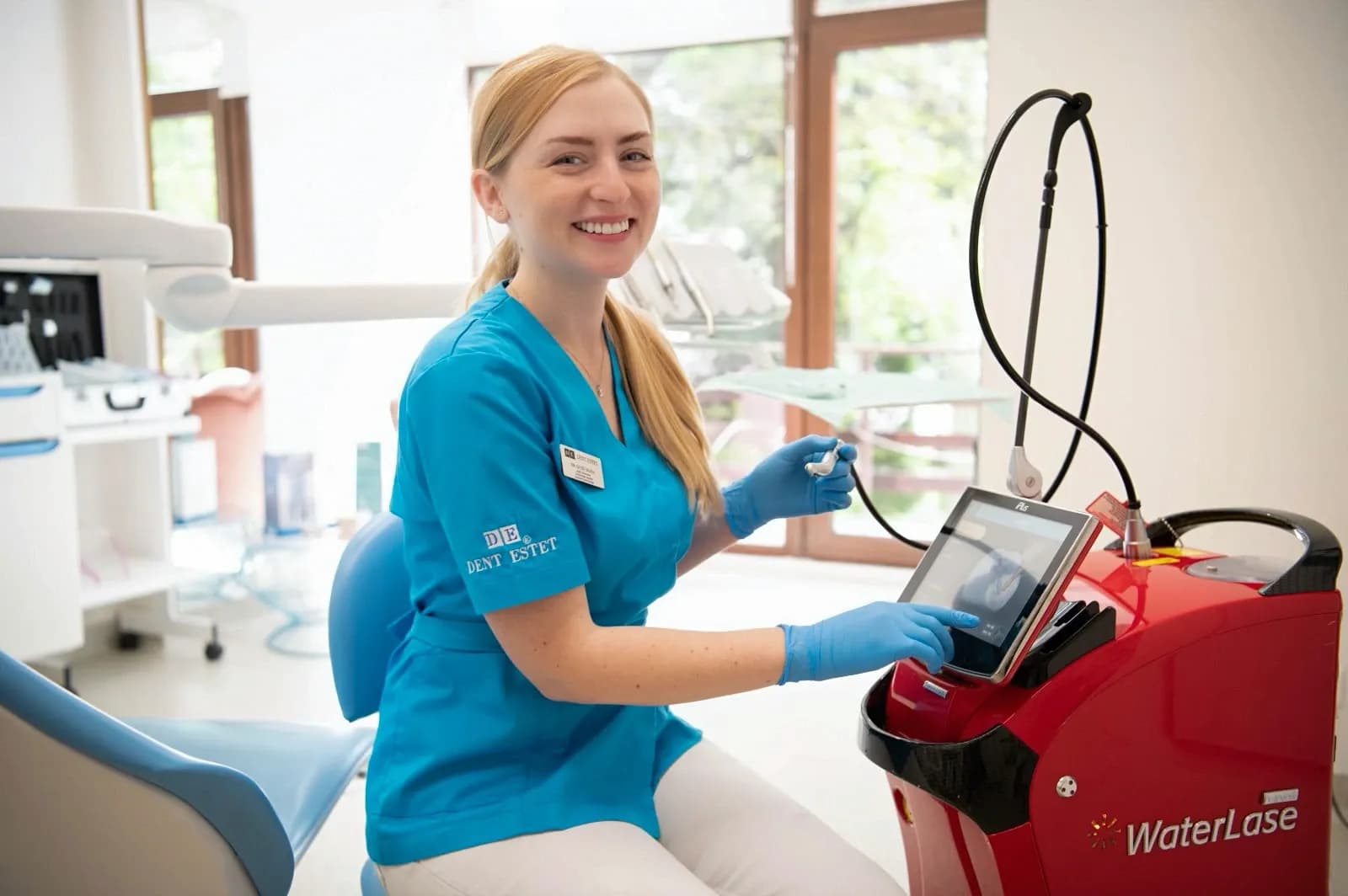
 Author:
  June 30, 2026
Periodontal treatment encompasses all the dental procedures used to treat gingivitis and periodontitis (periodontal disease), by eliminating bacterial infection and protecting the structures that support the teeth.
Depending on the stage of the disease, this may include deep cleaning procedures, anti-infective therapy, laser-assisted treatment, surgical procedures and a long-term maintenance programme.
What is periodontal disease?
Periodontal disease is an inflammatory condition that affects the tissues supporting the teeth (the gums, periodontal ligaments, root cementum and alveolar bone).
It arises as a result of the build-up of dental bacterial biofilm and the body’s inflammatory response to its presence.
The first stage of periodontal disease is gingivitis, which is characterised by inflammation of the gums without loss of alveolar bone or periodontal attachment. Gingivitis can be effectively prevented and treated through appropriate oral hygiene measures and professional cleaning.
Periodontitis is the advanced form of periodontal disease and occurs when untreated gingival inflammation leads to the progressive destruction of the periodontal ligament and alveolar bone.
This condition is considered irreversible, but its progression can be controlled through appropriate treatment and regular monitoring.
Causes of periodontal disease:
- excess bacterial plaque, due to poor oral hygiene;
- tartar, which must be removed through professional dental cleaning;
- smoking;
- genetic predisposition.
| Gingivitis | Periodontitis | |
| Affected area | Inflammation limited to the gums | Inflammation also affects the alveolar bone |
| Bone loss | No bone loss | Bone loss and the formation of periodontal pockets occur |
| Progression | It is reversible | It is a chronic condition that can be managed |
| Treatment | It is treated through professional cleaning and proper oral hygiene | Requires comprehensive periodontal treatment and maintenance |
What is periodontal treatment?
Periodontal treatment aims to remove bacterial biofilm and control inflammation in cases of gingivitis, and to stabilise periodontal disease and prevent tooth loss in cases where periodontitis has developed.
Treatment of gingivitis
Prompt treatment of gingivitis leads, in most cases, to complete remission of gingival inflammation.
The first stage of treatment is professional scaling, which removes bacterial plaque and supragingival and subgingival tartar.
“Tartar cannot be removed by simply brushing at home and requires professional intervention. Airflow is a procedure that complements professional cleaning by removing stains and bacterial plaque,” explains Dr Diana Beleni, a specialist in periodontology.
Controlling bacterial plaque at home plays a vital role. Patients must be instructed on:
- the correct brushing technique;
- the use of aids to remove bacterial plaque from between the teeth: dental floss, interdental brushes and mouthwash.
Treatment of periodontitis
The basic non-surgical treatment involves removing bacterial deposits and tartar from the periodontal pockets. This laser-assisted procedure reduces inflammation and promotes the healing of periodontal tissues.
When periodontal pockets persist after non-surgical treatment, a periodontist may recommend periodontal surgery.
This may require surgical procedures such as:
- flap surgery;
- regenerative surgery;
- bone grafts;
- gum grafts;
- guided tissue regeneration.
Dr Diana Beleni, specialist in periodontology: “Periodontal disease affects not only the gums, but the entire tooth-supporting structure. That is why treatment aims both to eliminate bacteria and to stabilise the tissues and prevent the recurrence of inflammation.”
When is periodontal treatment necessary?
Periodontal treatment is recommended when signs of gum inflammation or damage to the tissues supporting the teeth appear. The earlier the condition is diagnosed, the simpler the treatment and the more favourable the prognosis.
The most common signs indicating the need for a periodontal consultation are:
- bleeding gums when brushing or flossing;
- persistent bad breath;
- gum recession;
- red, swollen or tender gums;
- the formation of periodontal pockets;
- loose teeth;
- changes in the position of the teeth;
- difficulty chewing.
Dr Diana Beleni: “Gum bleeding is not normal and should not be ignored. In most cases, it is the first sign of periodontal disease and the ideal time to start treatment.”
The stages of periodontal treatment
Periodontal treatment is tailored to each patient and is carried out in stages, depending on the severity of the condition and the tissues’ response to treatment.
Diagnosis
The first stage is a comprehensive assessment of periodontal health.
The dentist carries out a clinical examination and assesses the condition of the gums, the presence of inflammation, bleeding and tooth mobility. They also perform periodontal measurement, using a millimetre probe to measure the depth of the periodontal pockets.
To assess bone loss and draw up a personalised treatment plan, imaging tests such as a panoramic X-ray or CBCT are recommended.
Scaling and subgingival curettage
The first stage of treatment aims to remove bacterial plaque and tartar, the main factors that sustain inflammation.
Treatment includes professional scaling and deep cleaning of the periodontal pockets (subgingival curettage), which removes bacteria and deposits accumulated beneath the gums.
In many cases, this stage may be supplemented by laser-assisted treatment, which helps to reduce the bacterial load and stimulate tissue healing.
Antimicrobial therapy
Antimicrobial therapy is recommended only when clinically indicated and aims to reduce the periodontopathogenic bacteria that sustain the inflammation.
This may involve the administration of local or systemic antibiotics, depending on the severity of the disease and the specific circumstances of each case. The aim is to reduce periodontopathogenic bacteria and control inflammation.
Periodontal surgery
Where periodontal pockets persist after non-surgical treatment or where there are significant bone defects, a periodontist may recommend surgical treatment.
Depending on the specific circumstances of each case, this may include:
- flap surgery, to access and thoroughly clean the root surfaces;
- regenerative surgery, to stimulate the repair of affected tissues;
- guided tissue regeneration;
- bone augmentation and bone grafts;
- gum grafts to treat gum recession.
The aim of these surgical procedures is to reduce periodontal pockets, control infection and, where possible, regenerate the tissues supporting the teeth.
Maintenance
The success of periodontal treatment depends not only on the procedures carried out in the clinic, but also on long-term monitoring. Once active treatment is complete, the patient enters a periodontal maintenance programme (Supportive Periodontal Therapy – SPT), as recommended by the guidelines of the European Federation of Periodontology (EFP).
People diagnosed with and treated for periodontitis are at greater risk of the disease recurring. For this reason, regular check-ups are essential for the early detection of any changes and for maintaining the results achieved.
During maintenance appointments, the dentist:
- re-assess the condition of the gums and the depth of the periodontal pockets;
- monitors gum bleeding and tooth stability;
- carries out professional cleaning and removes bacterial plaque and tartar;
- tailors recommendations for oral hygiene at home.
Dr Diana Beleni, specialist in periodontology: “Periodontal treatment does not end once the inflammation has subsided. Maintenance is the stage that allows us to sustain the results in the long term and reduce the risk of the disease recurring.”
Types of periodontal treatment
Periodontal treatment is tailored to the severity of the disease and may include non-surgical treatment, surgical treatment and maintenance therapy. The choice of treatment is made by the specialist depending on the stage of the disease and the tissues’ response to the initial therapy.
Non-surgical periodontal treatment
Non-surgical treatment is the first line of treatment and aims to eliminate bacterial infection and control gum inflammation.
This includes:
- professional cleaning and tartar removal;
- periodontal measurement to assess periodontal pockets;
- subgingival cleaning;
- laser-assisted treatment, where indicated.
The erbium laser complements conventional treatment by selectively removing inflamed tissue without affecting healthy tissue.
The main benefits of laser treatment are:
- bactericidal effect;
- stimulation of tissue healing;
- promotion of gum reattachment;
- faster recovery;
- reducing the need for surgery in certain cases.
Find out more about laser periodontal treatment
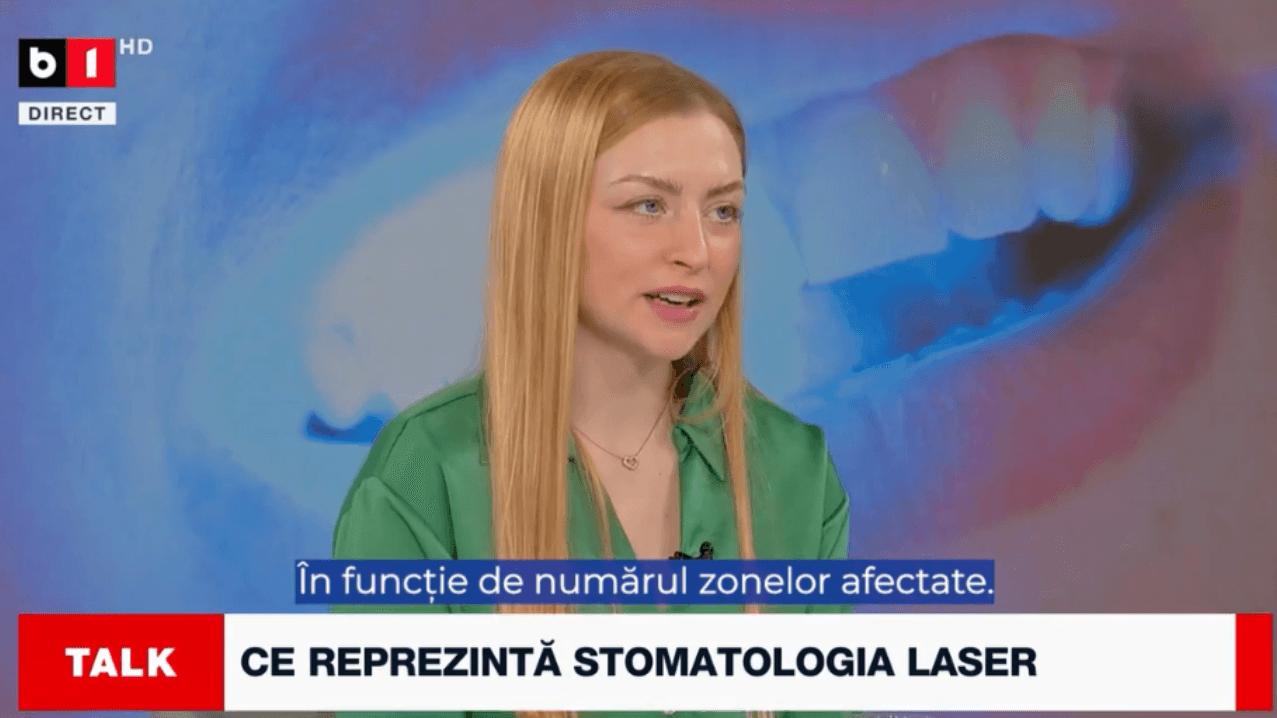
In the video below, Dr Diana Beleni explains the role of laser technology in the treatment of periodontal disease.
Surgical periodontal treatment
Surgical treatment is recommended when non-surgical therapy is insufficient to control the disease or when there are significant bone defects.
Depending on the specifics of each case, the dentist may recommend:
- flap surgery;
- regenerative surgery;
- guided tissue regeneration;
- bone augmentation and bone grafts;
- gum grafts to treat gum recession.
These procedures aim to reduce periodontal pockets and, where possible, restore lost tissue.
Periodontal maintenance therapy
Once active treatment has been completed, the patient enters a personalised programme of regular monitoring and professional cleaning.
Maintenance is essential for preventing the disease from recurring and includes regular check-ups, assessment of periodontal pockets and professional cleaning.
The benefits of periodontal treatment
Periodontal treatment aims to control infection and maintain the long-term health of the gums and teeth. When started in good time and followed by a maintenance programme, it offers numerous benefits.
- Stopping the progression of the disease – Early intervention can prevent the condition from worsening and avoid associated complications.
- Preserving natural teeth – Periodontal treatment followed by maintenance helps to preserve natural teeth.
- Reducing inflammation - Removing bacteria and tartar deposits helps to reduce gum inflammation and bleeding.
- Fresher breath - Reducing the bacterial load through treatment can significantly improve breath odour.
- Improved aesthetics – Controlling gum inflammation contributes to a healthier appearance of the gums, as well as helping to maintain a harmonious smile.
Frequently asked questions about periodontal treatment
Is periodontal treatment painful?
Most procedures are carried out under local anaesthetic, so there is minimal discomfort. Temporary sensitivity may occur after treatment, but this usually subsides within a few days.
How long does the treatment take?
The duration of treatment depends on the severity of the condition and the number of affected areas. Gingivitis may require one or two sessions, whilst the treatment of periodontitis may involve several stages and is followed by a maintenance programme.
Can it cure periodontitis?
Periodontitis is a chronic condition. Although lost tissue and bone cannot always be fully regenerated, treatment can halt the progression of the disease, reduce inflammation and help to preserve natural teeth in the long term.
How much does periodontal treatment cost?
The cost of treatment varies depending on the severity of the condition, the number of teeth affected and the procedures required. A personalised treatment plan and quote can only be provided following a specialist consultation.