



Bicarbonate of soda for mouth ulcers: does it soothe or irritate?
 Author: Dr. Anita Popa
 November 25, 2026
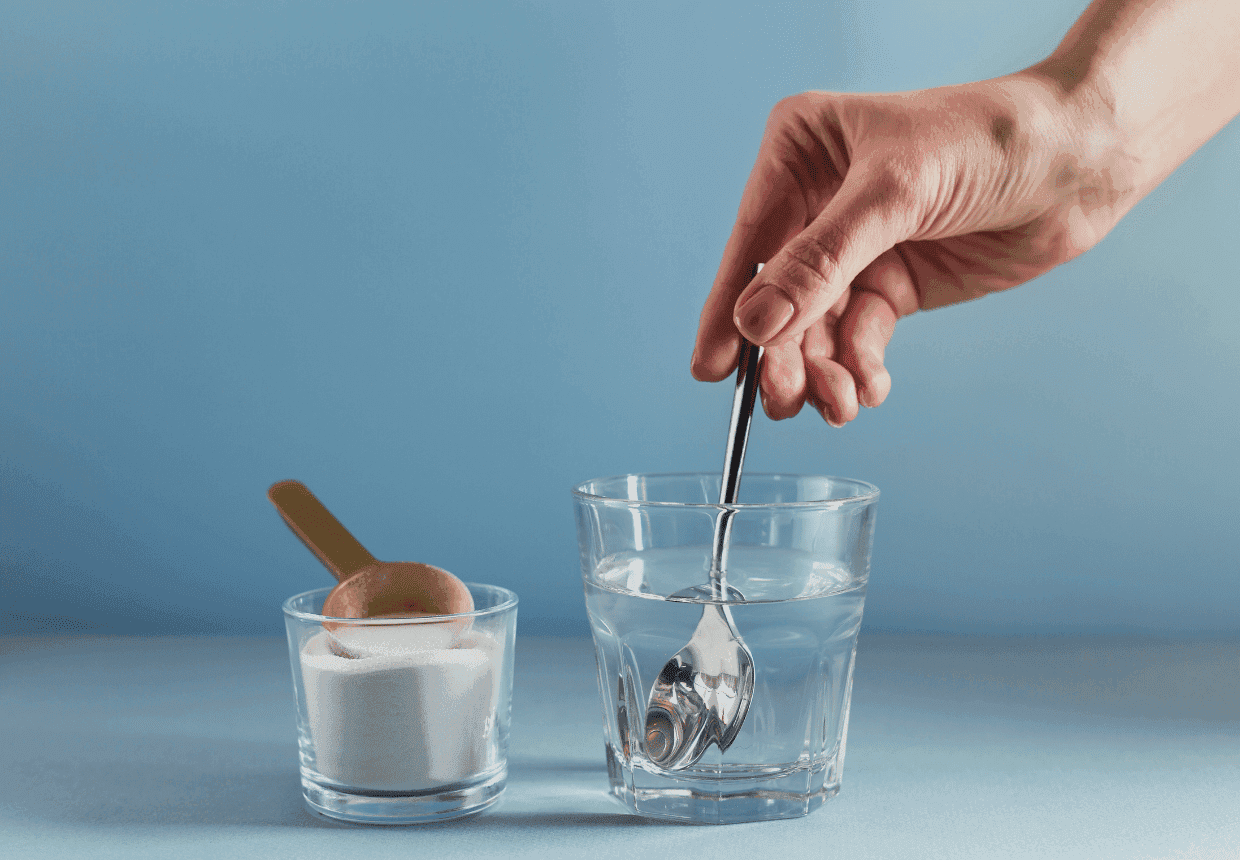
Bicarbonate of soda dissolved in water can be used as a mouthwash and may temporarily relieve the discomfort caused by mouth ulcers. It does not guarantee a quick recovery or prevent them from returning. How you apply it matters: avoid rubbing the affected area with the powder and stop using it if the solution makes the burning sensation worse.
A mouth ulcer is a small ulceration, i.e. a superficial sore on the mucous membrane lining the inside of the mouth. It commonly appears on the inside of the lips or cheeks, or under the tongue. For more information on causes and types, you can read the guide on mouth ulcers.
How to use bicarbonate of soda as a mouthwash
Bicarbonate rinses are among the home care options mentioned by the Mayo Clinic. If your doctor recommends this method, stick to the ratio of bicarbonate to water specified for your situation. Do not make a more concentrated solution just because the mouth ulcer is painful.
- Dissolve a quarter of a teaspoon of bicarbonate of soda in a cup (approx. 240 ml) of lukewarm, not hot, water.
- Gently rinse the inside of your mouth. For a mouth ulcer, there is no need to gargle.
- Spit out the solution; do not swallow it deliberately.
- Stop rinsing if the pain or irritation increases. Do not add more bicarbonate of soda to speed up the effect.
Adjust the frequency and duration of use according to the advice given and your own tolerance. Rinsing is an optional self-care measure, not a mandatory step towards healing. If the solution increases discomfort, stop using it.
“Rinsing with bicarbonate of soda is a measure that some sources promote as a home remedy for mouth ulcers. Whilst I understand patients’ desire to relieve their discomfort using readily available solutions, I would advise them to exercise caution and seek medical advice immediately if they develop large, multiple, very painful ulcers, or ones that do not heal within about two weeks.” – Dr Anita Popa
Can you put bicarbonate of soda straight onto a mouth ulcer?
Applying the powder directly to the sore and rinsing with a solution are two different methods. Applying the powder ‘by eye’ does not allow for control of the local concentration, and rubbing may cause further trauma to the mucous membrane. Do not try to clean or peel away the surface of the mouth ulcer.
“We do not recommend bicarbonate of soda paste on a mouth ulcer. We have no clinical evidence that it helps, and a concentrated mixture on an open sore can sting and cause irritation. For topical application, there are specialised products available (protective gels or pastes).” – Dr. Anita Popa
If you have applied bicarbonate of soda and the area stings more, rinse gently with plain water and stop using it. Do not try to ‘neutralise’ the bicarbonate of soda with lemon or vinegar, and do not apply alcohol to the sore: acidic substances and alcohol can make the irritation worse. Seek medical advice if the pain remains severe or the sore gets worse.
What bicarbonate of soda can do, and what it cannot treat
Rinsing may help with local care and comfort, but it does not eliminate all causes of mouth ulcers. Minor mouth ulcers often heal spontaneously; the fact that a mouth ulcer disappears after using a remedy does not prove that the remedy caused the healing. There is insufficient evidence to promise that mouth ulcers will disappear within 24 hours with bicarbonate of soda.
Canker sores are not the same as cold sores or thrush. If the lesion is unusual, extensive or accompanied by other symptoms, the diagnosis is more important than the choice of a mouthwash.
A mouth ulcer and inflamed gums are not the same thing. For redness and bleeding gums, read the article on bicarbonate of soda for inflamed gums. It explains separately the limitations of mouthwashes in gum conditions; recommendations for the gums should not automatically be applied to a mouth ulcer.
“I advise patients to note down, before their consultation, when the lesion first appeared, how it is progressing, how much it hurts, and also whether it is accompanied by other general symptoms, such as a fever, previous recurrent episodes, the use of new products, or the consumption of new foods. Patients can also take photographs of the affected area to show during the consultation,” advises Dr. Anita Popa.
What other options do you have for a painful mouth ulcer?
Choose soft foods and cool drinks that you can tolerate. Temporarily avoid very acidic, spicy, salty, hot or crunchy foods if they cause pain. Maintain good oral hygiene using a soft-bristled toothbrush, taking care not to rub the ulcer. You may use a toothpaste free from sodium lauryl sulphate as an additional measure.
Depending on the severity of the pain and your history of episodes, the following options, each serving a different purpose, may be helpful:
| Option | Possible role | Important consideration |
| Saltwater rinse | Local care and relief of discomfort | Do not apply dry salt to the wound; spit out the solution |
| Product that forms a protective film | Reduces painful contact with food | Protection is localised and temporary |
| Product containing a local anaesthetic | Temporarily relieves pain | The choice depends on age, contraindications and the package leaflet; products containing benzocaine must not be used in children under 2 years of age |
| Topical corticosteroid, prescribed by a doctor | Reduces inflammation in appropriate situations | Requires a diagnosis; should not be applied automatically to any oral lesion [A10.1]; repeated use without medical advice may promote oral thrush. |
It is not necessary to combine several remedies or mouthwashes. If a tooth edge, braces or dentures repeatedly irritate the same area, the local cause must be corrected; rinsing alone will not resolve the issue.
How long does a mouth ulcer last, and when do you need to see a doctor?
Minor mouth ulcers usually heal within about 7–14 days, leaving no scar. Large or deep ulcers may take longer to heal. The size of the lesion, repeated trauma and associated medical conditions may affect the course of the condition.
Book an appointment if the sore persists for around two weeks, worsens, is unusually large, or if episodes recur frequently. Do not wait this long if the pain is preventing you from eating. Seek prompt medical assessment if you are unable to drink enough fluids, have a fever or feel unwell.
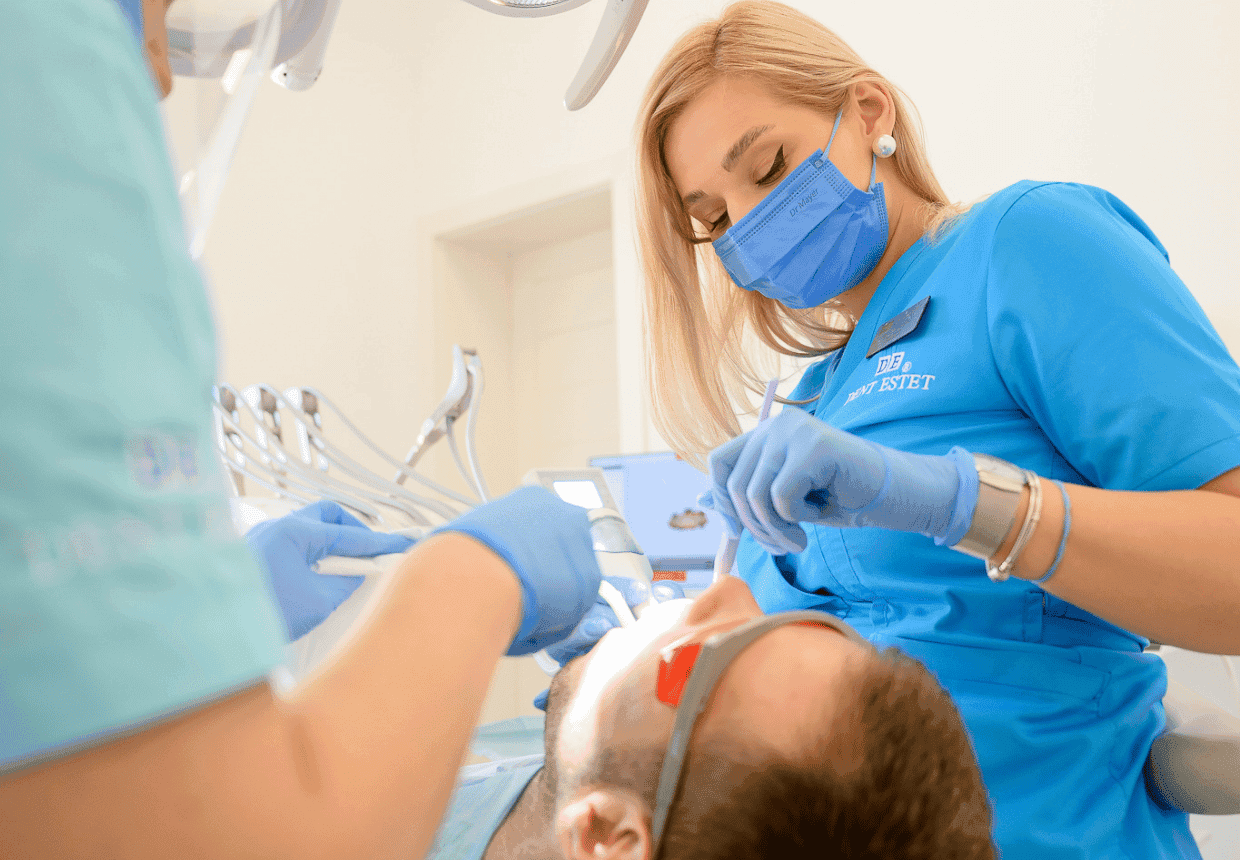
Also mention any digestive symptoms, lesions in other parts of the body or eye discomfort. The doctor will decide whether further investigations are necessary.
“When there are signs of a more serious condition than a simple mouth ulcer, the doctor may recommend a biopsy or blood tests to check ferritin, vitamin B12 and folate levels. If there are signs of coeliac disease, a gastroenterologist may carry out a screening. The doctor may refer the patient to a rheumatologist or dermatologist if a systemic disease is suspected.”
Frequently asked questions about bicarbonate of soda for mouth ulcers
Can you use bicarbonate of soda to treat mouth ulcers in children?
Do not automatically use the adult formula. If a child cannot rinse and spit out safely, avoid home-made mouthwashes. For older children, seek your doctor’s advice. A fever, multiple sores and a refusal to drink fluids may indicate another condition; you can read more about stomatitis in children.
Should the white centre of a mouth ulcer be removed?
No. The yellowish-white patch may be part of the normal appearance of a mouth ulcer and does not automatically mean it is full of pus. Do not scrape it or rub it with powder or a toothbrush.
Do you need antibiotics for a mouth ulcer?
Antibiotics are not the standard treatment for mouth ulcers. Severe pain does not necessarily indicate a bacterial infection; an antibiotic is only prescribed if the doctor identifies a condition that warrants it.
What information is useful if mouth ulcers recur?
Make a note of when they appear, how long they last, where they are located, and whether you notice any links to injuries, food or personal care products. Dated photographs can be helpful when discussing this with your doctor. Do not start taking supplements for suspected deficiencies without first having an assessment.
If the mouth ulcer persists or the episodes recur, you can book an appointment at DENT ESTET to find out what is causing the sores and what treatment is right for you.