





What is dental pulpitis?
 Author:
  May 7, 2024
Inside each tooth there is an area known as the dental pulp. This contains, in addition to the nerve, blood vessels and connective tissue. Dental pulpitis is a condition caused by inflammation of this dental pulp. It can affect one or more teeth and is caused by bacteria invading the dental pulp, leading to its inflammation (swelling).
There are two forms of dental pulpitis: reversible and irreversible. Reversible pulpitis refers to cases where the inflammation is mild and the dental pulp remains healthy enough to be saved. Irreversible pulpitis occurs when the inflammation and other symptoms, such as pain, are severe, and the pulp cannot be saved.
Irreversible dental pulpitis, due to ongoing bacterial contamination, can lead to dental infections and periapical lesions, as bacteria migrate along the tooth root and pass beyond the root tip, multiplying around it. This can result in the formation of pockets of pus, known as periapical abscesses. If left untreated, these lesions can spread to neighbouring structures: the maxillary sinus, the mandibular canal, the nasal cavities, etc.
Another way of referring to the condition involves classifying it as acute dental pulpitis and chronic pulpitis. The difference between acute and chronic pulpitis lies in the intensity and duration of the pain. In acute pulpitis, the pain comes on suddenly and can be quite intense, whereas chronic pulpitis is characterised by milder but long-lasting pain.
Dental pulp – symptoms
Both types of pulpitis cause pain, although the pain caused by reversible pulpitis may be milder and only occurs when chewing. The pain associated with irreversible pulpitis may be more severe and occurs both during the day and at night.
Other symptoms of both forms of pulpitis include:
- swelling;
- sensitivity to hot and cold foods;
- sensitivity to very sweet foods.
Irreversible pulpitis may include additional symptoms of infection, such as:
- fever;
- swollen lymph nodes;
- bad breath;
- an unpleasant taste in the mouth.
Below are the symptoms of the different types of dental pulpitis:
REVERSIBLE PULPITIS
Symptom:
- General pain – moderately intense;
- Tooth sensitivity – brief and sudden;
- Swelling around the tooth – rare;
- Fever – unlikely;
- Bad breath – no;
- Increased pain when lying down – no.
IRREVERSIBLE PULPITIS
Symptom:
- General pain – throbbing;
- Tooth sensitivity – lasting more than 30 seconds;
- Swelling around the tooth – present;
- Fever – present;
- Bad breath – present;
- Increased pain when lying down - present.
CHRONIC PULPITIS
Symptom:
- General pain – mild to severe;
- Tooth sensitivity – brief and sudden;
- Swelling around the tooth – rare;
- Fever – unlikely;
- Bad breath – possible;
- Increased pain when lying down - no.
ACUTE PULPITIS
Symptom:
- General pain – throbbing;
- Tooth sensitivity – very painful;
- Swelling around the tooth – present;
- Fever – present;
- Bad breath – possible;
- Increased pain when lying down – present.
If you experience any of these symptoms, you should visit a dentist as soon as possible. Symptoms of irreversible pulpitis include extreme pain, and sometimes even painkillers will not help to relieve the pain of pulpitis. If the pain becomes unbearable, you should seek urgent consultation with a dentist.
Tooth pulp – causes
In a healthy tooth, the layers of enamel and dentine protect the pulp from dental infections. Dental pulpitis occurs when these protective layers are compromised, allowing bacteria to enter the pulp and cause inflammation. As the pulp is enclosed within the walls of the tooth, this inflammation causes pressure and pain, as well as infection.
The layers of enamel and dentine can be damaged by several conditions, including:
- tooth decay, which causes erosion of the tooth;
- injuries, such as a blow to the tooth;
- having a fractured tooth, which exposes the pulp;
- repetitive trauma caused by dental problems, such as misalignment of the jaw or bruxism.
Dental pulp – risk factors
Generally speaking, factors that increase the risk of tooth decay, such as living in an area without fluoridated water or having certain medical conditions such as diabetes, can also increase the risk of dental pulpitis.
Children and older adults may also be at increased risk, but this is largely determined by the quality of dental care and oral hygiene habits.
Generally, lifestyle factors can increase the risk of dental pulpitis:
- poor oral hygiene habits at home, such as failing to brush teeth after every meal;
- failing to attend regular check-ups at the dentist;
- a diet high in sugar or the consumption of foods and drinks that promote tooth decay, such as refined carbohydrates;
- occupations or hobbies that increase the risk of impact to the mouth, such as boxing or hockey;
- chronic bruxism.
Dental chair – diagnosis
A pulpitis is usually diagnosed by a dentist. The dentist will examine your teeth and request a dental X-ray to accurately determine the extent of the decay and inflammation. A sensitivity test may also be carried out to see if you feel pain or discomfort when the tooth comes into contact with heat, cold or sweet stimuli. The extent and duration of your reaction to these stimuli can help your dentist decide whether the entire pulp or just part of it has been affected.
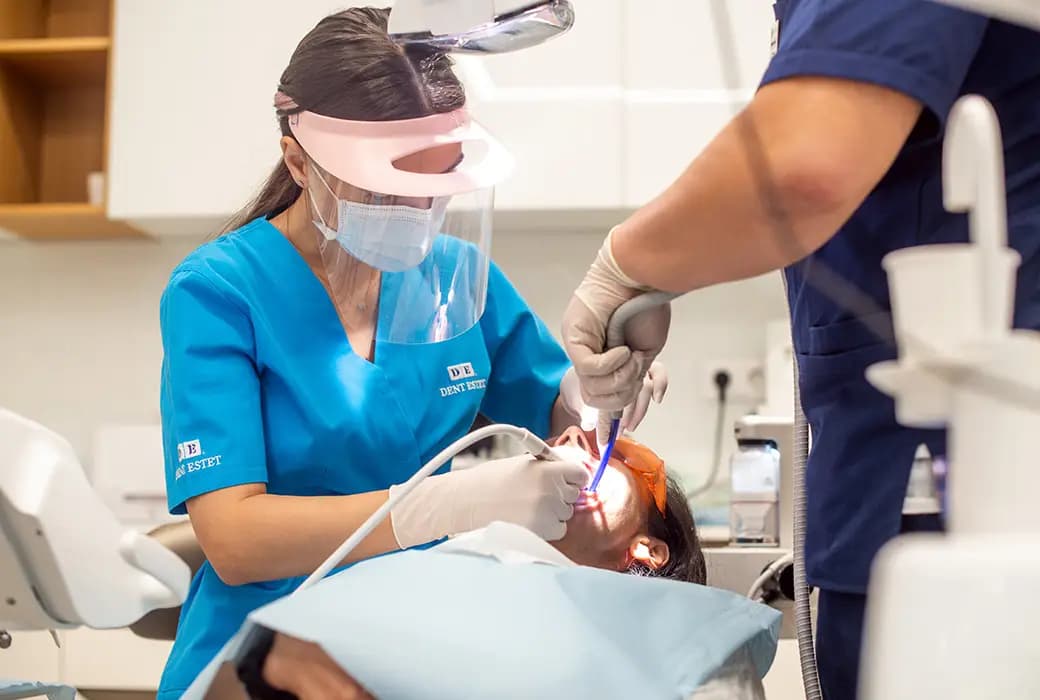
An additional test, in which the dentist uses a light, blunt instrument to gently tap the affected tooth, helps them to determine the extent of the inflammation.
The dentist can also assess how much of the tooth’s pulp is damaged using an electric pulp tester. This instrument delivers a tiny electrical current to the tooth’s pulp. If you can feel this current, your tooth’s pulp is considered viable, and the pulpitis is most likely reversible.
Dental chair - treatment
Treatment methods vary depending on the type of dental pulpitis the patient is suffering from.
In the case of reversible pulpitis, treating the cause of the inflammation should resolve the symptoms. For example, if there is a cavity, removing the decayed area and restoring it should alleviate and then eliminate the pain.
If the patient has irreversible pulpitis, the dentist will recommend consulting a specialist endodontist. If possible, the tooth can be saved through a procedure called a pulpectomy. This is the first stage of root canal treatment. During a pulpectomy, the pulp is removed, but the rest of the tooth is left intact. Once the pulp has been removed, the empty space inside the tooth is disinfected, filled and sealed.
In some cases, the entire tooth will need to be removed through extraction. Tooth extraction is recommended if the tooth is devitalised and cannot be saved.
After a pulpectomy or tooth extraction, tell your dentist if you experience any of the following symptoms:
- severe pain or pain that is getting worse;
- swelling inside or outside the mouth;
- a feeling of pressure;
- the return or persistence of the initial symptoms.
Management of dental pain
Pain management, both before and after treatment, is usually carried out using anti-inflammatory medication. These help to relieve pain and inflammation. They should only be taken on the dentist’s advice, in the correct dose for each patient. In the case of root canal treatment or tooth extraction, the dental surgeon may prescribe stronger painkillers.
Dental pulp – preventive measures
Tooth decay can often be prevented by practising good oral hygiene and visiting the dentist regularly. Cutting down on or avoiding sugary foods and drinks, such as fizzy drinks, cakes and sweets, can also help. If you suffer from teeth grinding, a mouthguard can help protect your teeth.