




The role of genetics in oral health: are dental problems inherited?
 Author: Dr. Rareș Nica
 April 24, 2025
Oral health is essential for general well-being, influencing functions such as chewing, speech and facial aesthetics. Understanding the factors that contribute to dental health, including the genetic component, is crucial for the effective prevention and management of oral conditions.
Recent studies suggest that genetics plays an important role in tooth structure and strength, susceptibility to dental disease and even the oral microbiome. Furthermore, hereditary conditions can influence dental development and increase the risk of developing dental problems.
The most common dental problems
According to the World Health Organisation, the most common dental conditions worldwide are tooth decay, periodontal disease, edentulism (tooth loss) and oral cancer.
For example, over 50% of the European population suffers from some form of periodontitis, with prevalence rising to 70–85% among people aged between 60 and 65. In Romania, the prevalence of dental caries in children aged between 1 and 9 is 48.2%, significantly higher than the European average of 33.6%.
Genetic inheritance and dental health
Genetic and environmental factors play a key role in dental health, but the impact of each varies from person to person. Genetic factors determine the structure and composition of tooth enamel, the type and quantity of saliva, as well as susceptibility to oral diseases. For example, mutations in genes such as AMELX, ENAM and TUFT1 can affect enamel mineralisation, increasing susceptibility to tooth decay.
According to a recent study in the Journal of Dental Research, “dental caries are partly hereditary, but there is uncertainty regarding the magnitude of genetic effects”. On the other hand, environmental factors, such as diet, oral hygiene, smoking and exposure to fluoride, directly influence dental health and can counterbalance or accentuate genetic predisposition. For example, children who frequently consume sweets and fizzy drinks are at increased risk of tooth decay, even in the absence of a genetic predisposition. Conversely, a person with a genetic predisposition can avoid or reduce the severity of dental problems by adopting rigorous oral hygiene habits and regular check-ups at the dentist.
A study published in Clinical Oral Investigations found that genetic factors account for approximately 40–60% of susceptibility to tooth decay and periodontal disease, with the remainder attributed to environmental factors and lifestyle. This study highlights the importance of oral health education and adopting a healthy lifestyle for the prevention of dental conditions.
Dental problems with a genetic component
Several dental conditions have been linked to genetic factors, highlighting the importance of understanding an individual’s genetic profile for their effective prevention and treatment. Recent studies have confirmed the key role of genetics in the following oral health issues:
Tooth decay
Genetic predisposition influences the composition and quantity of saliva, the structure of enamel and the oral microbiome. Genetic variations in genes such as AMELX, ENAM and TUFT1 can lead to the formation of tooth enamel that is less resistant to the action of cariogenic bacteria. According to a study in the International Journal of Paediatric Dentistry [4], susceptibility to caries is “a complex interaction between genetic factors and external influences such as diet and oral hygiene, and early identification of these factors can aid in the prevention and early management of the disease”.
Malocclusion
Incorrect alignment of the teeth can be genetically determined through the inheritance of structural characteristics such as the size of the jaws and the shape of the dental arches. Research published in the European Journal of Orthodontics has identified significant associations between malocclusions and specific genetic polymorphisms, such as those in the PAX9 and MSX1 genes, which are involved in craniofacial development. This genetic predisposition may indicate the need for early and personalised orthodontic treatment.
Periodontal disease
Studies have identified important genetic factors that influence the body’s inflammatory response to bacterial plaque. According to an article in Periodontology 2000 [6], “periodontitis is a complex inflammatory disease in which the host genome, together with external factors, determines susceptibility and disease progression”. Thus, patients with certain genetic variants have a significantly increased risk of developing severe periodontal disease, suggesting the need for personalised preventive measures.
Enamel hypoplasia
This condition is characterised by thin or poorly mineralised enamel and is closely linked to genetic mutations in genes such as ENAM and MMP20, which are responsible for enamel formation and mineralisation. According to the European Journal of Human Genetics [7], these mutations lead to increased susceptibility to caries, heightened tooth sensitivity and significant aesthetic issues, highlighting the importance of early diagnosis and preventive treatment.
Hereditary conditions affecting the teeth
There are several genetic conditions that significantly affect oral health, leading to severe structural and functional problems:
Dysamelogenesis
This rare hereditary condition manifests as abnormal development of tooth enamel, which becomes poorly mineralised, brittle and susceptible to decay and rapid wear. Studies in the European Journal of Human Genetics indicate that mutations in the AMELX, ENAM and MMP20 genes are directly involved, profoundly affecting patients’ quality of life.
Imperfect dentinogenesis
This genetic disorder causes defective formation of dentine, the inner layer of the teeth, making the teeth translucent, greyish-blue or brownish in colour, and extremely fragile. Studies have identified mutations in the DSPP and COL1A1 genes as the main causes of this condition.
Down’s syndrome
People with this syndrome frequently experience dental problems such as smaller teeth, delayed tooth eruption and an increased predisposition to malocclusion and severe periodontal disease. Studies highlight that the incidence of hypodontia (congenital absence of teeth) and severe malocclusions is significantly higher in these patients, requiring a specialised dental approach.
Ehlers-Danlos syndrome
This syndrome, characterised by connective tissue disorders, also affects dental health by increasing tooth mobility, causing severe gingival problems and leading to an increased susceptibility to aggressive periodontitis. According to a study published in the Journal of Oral Pathology & Medicine, patients with this syndrome often exhibit increased root resorption and require careful and frequent dental monitoring.
Identifying these genetically transmitted diseases and early intervention are essential for improving the prognosis and maintaining patients’ oral and general health.
The role of medical genetics in prevention and treatment
Medical genetics offers significant opportunities for personalising prevention and treatment in dentistry. Research in this field enables the identification of patients at increased risk of developing certain dental conditions and contributes to the development of more effective prevention strategies.
Genetic tests to identify the risk of dental diseases
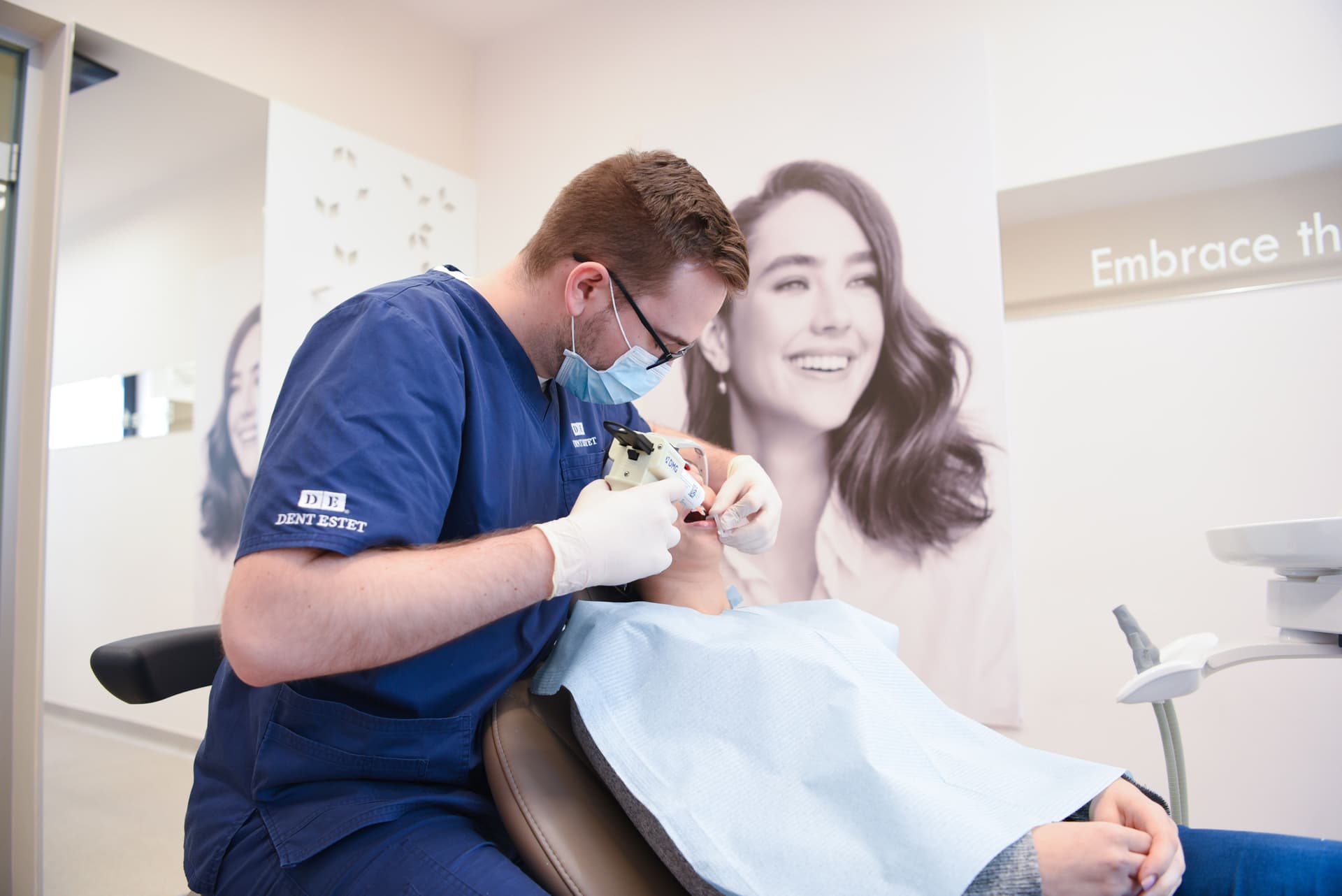
Genetic tests can detect genetic variations associated with a higher susceptibility to tooth decay, periodontal disease or other conditions. A study published in the Journal of Personalised Medicine highlights that “the use of genetic testing in dentistry enables early diagnosis and the optimisation of treatment strategies, reducing the incidence of oral conditions through personalised interventions”.
Tailoring treatments to the genetic profile
Knowledge of genetic predispositions can guide the selection of dental materials and therapeutic approaches. For example, patients with a genetic predisposition to dental erosion may benefit from the use of more resistant materials for fillings and dental crowns. Furthermore, genetic analysis can indicate susceptibility to gum inflammation or periodontal disease, enabling clinicians to recommend specific treatments such as the use of personalised anti-inflammatory agents or guided tissue regeneration techniques. A study in the Journal of Dental Research shows that “people with a specific variant of the IL-1 gene have a significantly higher risk of developing severe periodontal disease, suggesting the need for personalised preventive interventions for these patients”. Furthermore, in patients with increased sensitivity to local anaesthetics, genetic analysis can guide the selection of a tailored anaesthetic protocol, thereby avoiding intraoperative complications.
The future of genetics in dentistry
Current research is exploring advanced genetic therapies for the prevention and treatment of dental diseases. Specialists believe that genetic therapy applied in dentistry has the potential to facilitate the regeneration of dental tissues and treat periodontal diseases through advanced genome editing techniques. These therapies include the use of stem cells for dental pulp regeneration and the development of biomaterials that actively interact with the dental structure to prevent periodontal bone loss. Furthermore, researchers are exploring how gene therapy could be used to modulate the inflammatory response in chronic gingival conditions, which could lead to a reduction in the progression of periodontal disease. Such innovations have the potential to revolutionise modern dentistry, offering personalised treatments based on each patient’s genetic profile and reducing the need for invasive procedures.
The integration of genetics into dentistry offers new perspectives for prevention and treatment, helping to improve patient prognosis and maintain long-term oral health.
Conclusions on the importance of genetics for dental health
Genetics plays a significant role in oral health, determining susceptibility to various dental conditions. However, genetic predisposition does not act in isolation, but in combination with environmental factors, personal habits and access to quality dental care.
Regular visits to the dentist are an essential part of prevention, allowing for the early detection of dental problems and the application of appropriate treatments before they worsen. The recommended frequency of dental check-ups varies depending on the patient’s individual profile, but most specialists suggest consultations at least twice a year for optimal monitoring.
Currently, advances in medical genetics are enabling the development of personalised prevention and treatment strategies, offering opportunities for early diagnosis and effective interventions. Genetic testing can help identify individuals at increased risk of oral diseases, facilitating the implementation of preventive measures better tailored to each patient.
General recommendations for preventing dental problems
“Active prevention remains essential, regardless of genetic predisposition. Rigorous oral hygiene, regular dental check-ups and a healthy lifestyle can significantly help to reduce the impact of genetic factors on dental health. In addition to correct toothbrushing and the use of dental floss, regular check-ups with the dentist help to identify individual risk factors and implement personalised measures to maintain long-term dental health,” explains Dr Rareș Nica.
Furthermore, for patients with a genetic predisposition to conditions such as periodontal disease or enamel hypoplasia, constant monitoring can prevent severe complications and significantly improve their prognosis.
In the future, advances in gene therapies and personalised medicine could completely revolutionise the way dental conditions are managed, enabling more effective treatments tailored to each individual. However, prevention remains the most effective strategy for maintaining long-term oral health.
Bibliography
1. Situation Analysis – Oral Health, ‘A Smile Closer to Health’ Campaign – National Institute of Public Health, 2024
2. 2020 Annual Report FDI World Dental Federation
3. Heritability of Caries Scores, Trajectories, and Disease Subtypes - Journal of Dental Research, 2020
4. Does molar-incisor hypomineralisation (MIH) affect only permanent first molars and incisors? - International Journal of Paediatric Dentistry, 2020
5. Genetic risk variants implicate impaired maintenance and repair of periodontal tissues as a cause of periodontitis - Periodontology 2000, 2020
6. Prognostic value of tertiary lymphoid structures in early clinical stage oral tongue squamous cell carcinoma - Journal of Oral Pathology & Medicine, 2020
7. Personalised Dentistry: Approaching a New Way for Diagnosis and Treatment of Oral Diseases - Journal of Personalised Medicine, 2020