




Maintaining results after teeth whitening. Practical guide
 Author:
  January 30, 2026
Teeth whitening is one of the most sought-after cosmetic procedures in dentistry, due to its rapid and visible impact on the smile. Using various techniques, the pigments accumulated in the enamel and dentine are broken down, giving the teeth a lighter and more uniform shade.
However, you should know that teeth whitening is not a permanent procedure. Maintaining the results depends greatly on your lifestyle, but also on following medical recommendations.
This article provides a practical guide to maintaining the results after teeth whitening, with information from clinical experience, as well as tips for maintaining a bright and healthy smile in the long term.
When is teeth whitening recommended?
Teeth whitening is recommended when teeth lose their natural shine and become darker or stained, even if they are healthy. This can happen over time due to tartar build-up, ageing or frequent consumption of foods and drinks that stain teeth, such as coffee, tea or red wine.
Teeth whitening can also be an effective solution for people who smoke or who have undergone certain medical treatments that have affected the colour of their teeth.
It is important that the indication for teeth whitening is determined by the dentist after a careful assessment to ensure that the procedure is appropriate and that the results will be harmonious and long-lasting.
Factors influencing the preservation of results after bleaching
The duration and stability of the results after whitening vary from one clinical case to another. Studies show that the effect of teeth whitening can last, on average, between 6 months and 2 years, but this interval is influenced by several important factors.
Diet
Frequent consumption of highly pigmented foods and drinks is the main reason why teeth become discoloured again after whitening.
"According to studies, food pigments can more easily penetrate the enamel structure in the periods immediately following teeth whitening, when its permeability is increased. For this reason, coffee, black tea, green tea, red wine, coloured carbonated drinks and certain pigment-rich foods should be avoided, as they can cause chromogens to be absorbed into the enamel."
Lifestyle
Smoking is considered one of the most aggressive factors in tooth discolouration. Nicotine and tar adhere to the tooth surface and penetrate the microstructure of the enamel, promoting the appearance of yellow-brown stains.
"In most cases, the whitening effect lasts significantly shorter in patients who smoke compared to those who do not smoke. For this reason, smokers will need a new intervention if they want to maintain the results for a longer period of time."
Oral hygiene
Oral hygiene plays an important role in maintaining the results of teeth whitening. Proper brushing, supplemented by the use of dental floss and mouthwash, slows down the accumulation of bacterial plaque and exogenous pigments.
On the other hand, poor hygiene promotes plaque retention and rapid tooth discolouration, which inevitably leads to a faster loss of results.
Type of whitening procedure
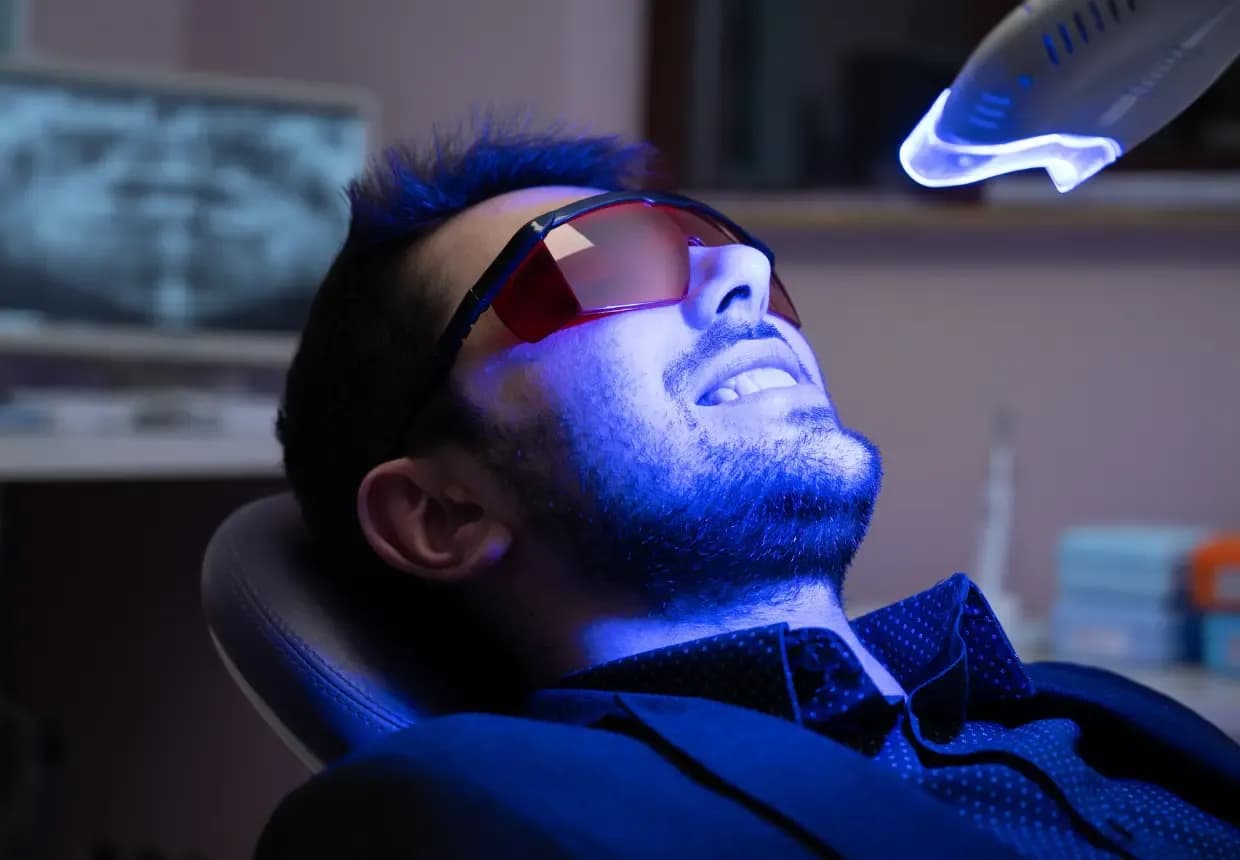
Professional whitening performed in the dentist's office, under medical supervision, offers more stable results compared to over-the-counter products.
"It is clear that professional teeth whitening performed in the dental office offers major advantages over home whitening. At DENT ESTET clinics, professional whitening is performed using the most advanced technologies, such as the Epic Biolase laser, the Beyond Ultra lamp and the Zoom Power lamp. The specialist literature supports the view that combining in-office whitening with home maintenance treatments, using customised professional trays, contributes significantly to prolonging the effect of teeth whitening."
Recommendations immediately after the teeth whitening procedure
The first 24–72 hours after teeth whitening are considered the most important for maintaining results. During this period, the enamel is temporarily more permeable, which makes it more susceptible to pigmentation, but also to tooth sensitivity.
Tips after whitening:
- avoid consuming coloured foods and drinks for the first 3–4 days after treatment;
- follow the so-called "white diet", based on light-coloured foods;
- use a straw when drinking coffee or tea;
- avoid smoking as much as possible; use mouthwash without chlorhexidine, up to three times a day, if you do not give up cigarettes;
- avoid acidic foods (such as citrus fruits) or strongly spiced foods, which can increase sensitivity;
- use toothpaste for sensitive teeth or toothpaste containing fluoride.
"I always explain to my patients that the results of teeth whitening are not only visible in the clinic, but especially in the days that follow, depending on how well they follow the post-treatment recommendations."
Long-term habits for maintaining results
To maintain long-term teeth whitening results, certain habits must become part of your daily routine. Maintaining teeth whitening is closely linked to maintaining overall oral health.
Teeth should be brushed twice a day, in the morning and in the evening, for at least two minutes. It is recommended to use a soft or medium bristle toothbrush and apply a gentle brushing technique to protect the enamel and gum tissue.
As for toothpaste, those specially formulated for maintaining whitening, with a low level of abrasiveness, can be used. Mouthwashes without chlorhexidine or colourants help prevent stains and keep breath fresh.
Cleaning the spaces between your teeth with dental floss or a water flosser every day helps remove bacterial plaque and food debris from areas that are difficult to reach with a toothbrush, preventing both staining and cavities.
"However, we must not forget about regular dental check-ups, carried out approximately every six months. This allows the dentist to assess oral health and monitor tooth colour. Professional cleaning is also important for maintaining aesthetic results and preventing oral problems."
Foods and drinks that stain teeth
Among the most common foods and beverages responsible for tooth discolouration are:
- coffee;
- black and green tea;
- red wine;
- coloured carbonated drinks;
- intensely pigmented fruits (blueberries, pomegranates, cherries);
- dark-coloured sauces (soy, curry, ketchup).
A practical tip for patients is to use a straw for pigmented drinks and rinse the mouth with water immediately after eating to reduce the contact time of the pigments with the tooth surface.
Useful products after bleaching
After teeth whitening, certain products can help maintain the colour achieved:
- whitening toothpastes for maintenance;
- high-quality electric or manual toothbrushes;
- mouthwashes with a remineralising effect;
- customised mouthguards for maintenance, as recommended by your dentist.
"I do not recommend aggressive products or 'miracle' solutions to patients. Following the instructions and using the right products is the key to a white and healthy smile in the long term."
Procedures for refreshing results
Even with proper care, it is normal for teeth colour to change slightly over time. In these situations, the following options can be considered:
- mini-whitening sessions at the dentist's office;
- home whitening with customised trays;
- regular professional cleanings.
The frequency of these procedures is determined individually, together with the dentist, depending on the habits, lifestyle and needs of each patient.
Conclusion
Teeth whitening is a safe and effective procedure when performed correctly and followed by proper maintenance. Clinical studies and practical experience show that maintaining results does not depend on a single factor, but on a combination of daily habits, regular check-ups and constant collaboration with the dentist.
"In our practice, we recommend that patients view teeth whitening as a process, not as a one-off event. By following post-procedure instructions, adopting proper oral hygiene and choosing the right products, results can be maintained in a healthy and predictable way over the long term."
Frequently asked questions
How long does the teeth whitening effect last?
On average, between 6 months and 2 years, depending on diet, oral hygiene and personal habits.
What products can I use at home to maintain the results?
Maintenance toothpastes, colourant-free mouthwashes and, on the recommendation of your dentist, customised mouthguards.
What should be avoided after whitening?
Pigmented foods, smoking and abrasive products.
How often can I repeat the whitening process?
Whitening can usually be repeated every 1–2 years, but only under the supervision of a dentist.