




The role of oral hygiene and chlorhexidine in the treatment of stomatitis
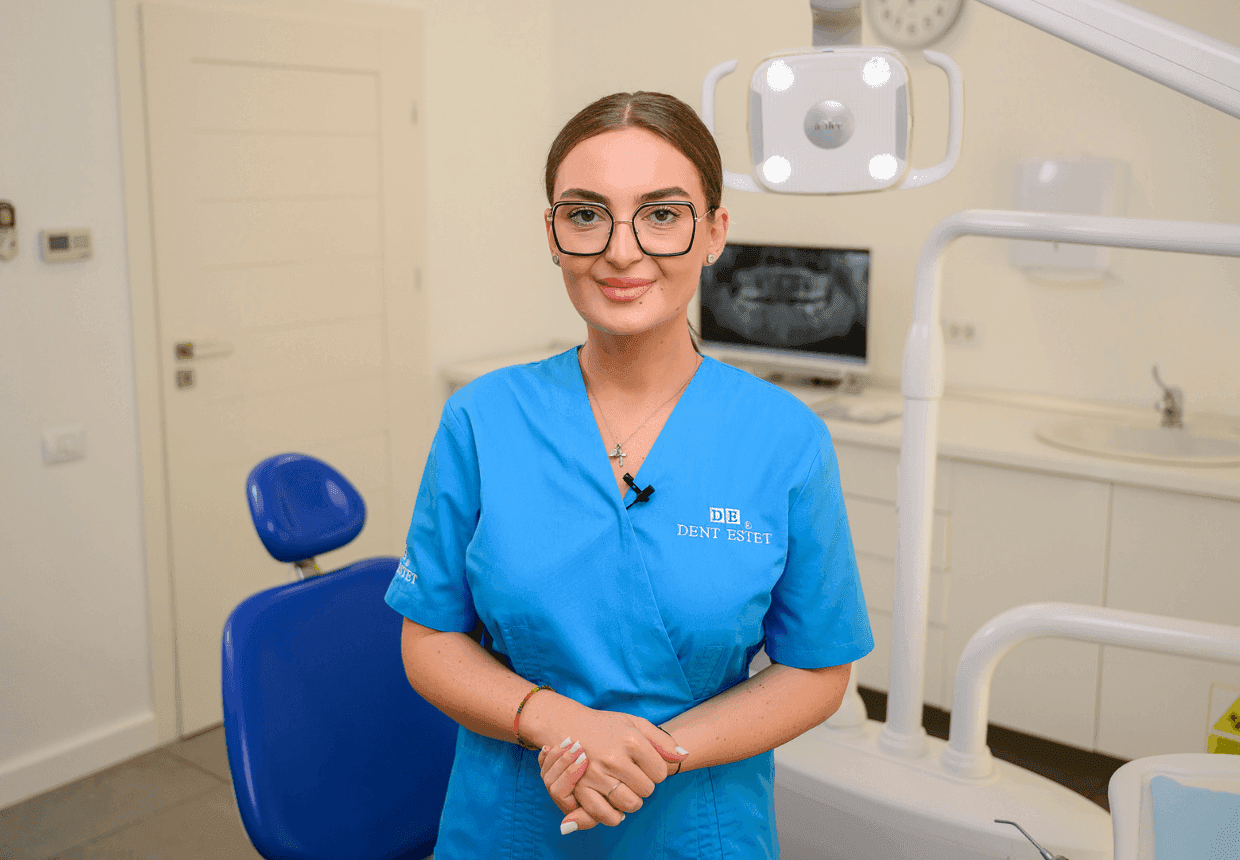
 Author: Dr. Roberta Cmeci
 October 30, 2025
Stomatitis is an inflammation of the oral mucosa that can affect your day-to-day comfort. Even a small lesion can cause severe pain, affecting eating, speaking and quality of life. That is why understanding the causes and adopting the right approach to treating stomatitis are essential.
In recent years, it has been shown that proper oral hygiene and the temporary use of chlorhexidine play an important role in the treatment of stomatitis, both by alleviating symptoms and by preventing complications.
Stomatitis: a common condition affecting the mouth
Causes and types of stomatitis
Inflammation of the oral mucosa can take many forms, and the causes are also varied.
The main causes of stomatitis include:
- Local trauma: accidentally biting the cheek, poorly-fitting dentures, orthodontic appliances
- Nutritional factors: deficiencies in vitamin B12, iron, zinc or folic acid
- Infectious factors: bacteria, fungi (Candida albicans), viruses (herpes simplex)
- Systemic factors: weakened immunity, autoimmune diseases, cancer treatments
- Stress and fatigue: imbalances in the immune system promote the development of mouth ulcers
- Allergies: reactions to certain foods, medicines or chemicals
Types of stomatitis
Aphthous stomatitis: the most common type, characterised by round or oval, painful ulcers with red edges and a yellowish-white centre.
Traumatic stomatitis: occurs following mechanical or thermal trauma, such as biting the cheek, burns from hot food or ill-fitting dentures.
Allergic stomatitis: triggered by allergens in food, toothpaste or medication, causing inflammation and itching.
Infectious stomatitis: caused by bacteria, fungi or viruses, usually associated with fever, pain and, in severe cases, difficulty eating.
Drug-induced stomatitis: an adverse effect of certain medicines, such as anti-inflammatories or antibiotics, which can irritate the mucous membrane.
Clinical manifestations of stomatitis
This oral condition manifests through a range of unpleasant symptoms that significantly affect quality of life, which is why immediate treatment is required.
Common symptoms of stomatitis:
Localised or diffuse pain – the pain may be felt in a single area or spread across the entire oral mucosa. The pain caused by stomatitis is often accompanied by an intense burning sensation in the mouth.
Inflammation – the oral mucosa becomes reddened and ulcerative or aphthous lesions (commonly known as mouth ulcers) appear, which are extremely sensitive to touch.
Difficulty chewing and speaking – due to the pain and lesions, those suffering from stomatitis experience significant difficulty chewing, speaking and swallowing.
Possible sensitivity to certain foods – again due to the pain, there may be increased sensitivity to acidic, salty, hot or spicy foods, which aggravate the irritation of the mucous membrane.
Why should treatment not be delayed?
Untreated stomatitis can lead to bacterial or fungal secondary infections, affecting daily comfort and increasing the likelihood of recurrence. Furthermore, it may be a sign of systemic conditions requiring medical assessment.
Oral hygiene: the first step in preventing and managing stomatitis
Poor oral hygiene promotes the build-up of bacterial plaque, which irritates the mucous membrane and fuels inflammation.
In these circumstances, proper hygiene helps maintain the balance of the oral microbiome, reducing the proliferation of pathogenic bacteria that can cause a recurrence of stomatitis.
“Studies show that stomatitis frequently recurs if patients do not maintain proper oral hygiene. Conversely, maintaining good oral hygiene reduces the frequency of aphthous ulcers by up to 40%. Furthermore, keeping the mouth clean creates optimal conditions for tissue repair and allows saliva to perform its protective role, neutralising acids and bacteria,” explains Dr Roberta Cmeci, a dentist at DENT ESTET clinics and a periodontology resident.
What steps should be followed for proper oral hygiene if we are suffering from stomatitis:
- Gently brush twice a day with a soft-bristled toothbrush
- Daily use of dental floss or interdental brushes
- Rinsing the mouth with alcohol-free mouthwash for its antiseptic effect
- Clean the tongue to reduce bacteria
- Avoid aggressive brushing, which can irritate the mucous membrane
What mistakes should you avoid if you are suffering from stomatitis:
- Using toothpaste containing strong abrasive agents
- Excessive rinsing with alcohol, which dries out the mucous membrane
- Ignoring oral hygiene after snacks or meals
Chlorhexidine: an essential aid in the treatment of stomatitis
Chlorhexidine is a broad-spectrum antiseptic that is effective against bacteria and fungi. It destroys the cell membranes of microorganisms and reduces inflammation.
Introduced into dentistry in the 1950s, chlorhexidine remains the most effective antiseptic used in dentistry for the treatment of stomatitis, thanks to its antibacterial and antifungal action.
Unlike other alcohol-based mouthwashes, which can dry out the mucous membrane and cause irritation, chlorhexidine acts slowly and remains active on the mucous membrane and tooth surface for several hours, providing prolonged protection.
It is not recommended for long-term daily use, but only as an adjunct in acute episodes or following dental procedures.
Other comparable antiseptics:
- Hydrogen peroxide: has an antiseptic effect, but frequent use can cause irritation and alter the oral microbiome. It is effective only in the short term.
- Natural extracts (mint, sage, chamomile): offer anti-inflammatory and mild antibacterial effects, but cannot replace chlorhexidine in acute episodes.
Chlorhexidine is available in several forms, such as mouthwash, with a concentration of 0.12% or 0.2%, gel and spray. If you wish to use chlorhexidine as a mouthwash, you should rinse your mouth for 30 seconds, twice a day, between meals.
Chlorhexidine gel is applied directly to the lesion to reduce pain and speed up healing. The spray can also be useful for hard-to-reach lesions or for patients with reduced mobility.
“It is important that the use of chlorhexidine is limited to 10–14 days to avoid side effects such as tooth discolouration or taste disturbances,” explains Dr Roberta Cmeci.
Benefits in the treatment of stomatitis
Effective treatment of stomatitis ensures a rapid and complete recovery, eliminating unpleasant symptoms and preventing complications.
The treatment offers the following benefits:
- Reduction of pain and inflammation
- Prevention of bacterial or fungal secondary infections
- Accelerated healing of lesions
- Maintaining a healthy oral environment
There are also situations in which treatment with chlorhexidine can cause side effects, such as temporary discolouration of the teeth and tongue, temporary taste disturbances and, rarely, local irritation.
“In patients with recurrent mouth ulcers, pain can be significantly reduced after just two days of gentle brushing and rinsing with chlorhexidine. Equally useful is the use of chlorhexidine in patients wearing braces. Applying chlorhexidine gel significantly reduces inflammation and prevents recurrence,” explains Dr Roberta Cmeci.
Why oral hygiene and chlorhexidine work well together
Oral hygiene and chlorhexidine work in tandem, each playing a specific role in treating and preventing stomatitis.
Here are the benefits of combining oral hygiene with chlorhexidine:
Mechanical removal of bacterial plaque. Brushing and flossing reduce bacterial plaque and food debris that promote inflammation. This clean environment is ideal for chlorhexidine to exert its antibacterial and antifungal action.
The prolonged antiseptic action of chlorhexidine. Even after brushing, bacteria and microorganisms remain on the teeth and oral mucosa. Chlorhexidine persists for several hours due to its properties, reducing the risk of secondary infection.
Reduction of inflammation and pain. Whilst oral hygiene prevents the build-up of bacteria, chlorhexidine reduces inflammation and promotes the healing of the mucosa. The combination of these two measures reduces local pain and allows the patient to eat and speak.
Prevention of stomatitis recurrence. Clinical studies show that patients who maintain proper oral hygiene and use chlorhexidine during acute episodes have a lower risk of lesion recurrence. Consistent oral hygiene prevents the formation of a bacterial-friendly environment, and chlorhexidine complements this protection through its immediate antiseptic action.
“Think of oral hygiene as ‘basic cleaning’ and chlorhexidine as ‘intensive treatment’. Together, they form a system of protection and healing that is far more effective than using either one separately,” says Dr Roberta Cmeci.
Therefore, the combination of regular brushing, interdental cleaning and rinsing or the local application of chlorhexidine creates an optimal environment for the rapid healing of stomatitis and the prevention of recurrence. It is the perfect example of a simple yet highly effective strategy that you can apply daily.
- Recommended treatment plan:
- Gentle brushing in the morning and evening
- Rinse with chlorhexidine for 30 seconds, twice daily, for a maximum of 14 days
- Local application of the gel to painful lesions
- Re-evaluation after 1–2 weeks
Prevention and long-term health
Preventing stomatitis is not just a matter of daily hygiene, but involves a whole range of habits and regular monitoring.
Thus, in addition to brushing twice a day with toothpaste free from strong abrasive agents and using dental floss and mouthwash, DENT ESTET dentists recommend cleaning the tongue to reduce bacteria and food debris, as well as regularly consuming water and foods rich in vitamins and minerals.
For children, it is recommended that fluoride toothpaste be chosen according to their age, and that parents supervise their brushing routine and monitor excessive consumption of sweet snacks.
For older people, it is also recommended to monitor oral hygiene if motor difficulties arise, and to adapt toothbrushes and products for dentures.
Recommendations following dental procedures:
- Use chlorhexidine after extractions, implants or other procedures to prevent secondary infections.
- Avoid irritating foods in the first few days after the procedure.
- Regular check-ups to monitor healing and adjust treatment.
“In the surgery, I frequently see patients who arrive frightened by the pain caused by stomatitis. When I explain that careful oral hygiene and the temporary use of chlorhexidine can make a difference, I see them looking somewhat reluctant. After a few days of treatment, many return with a smile on their faces and tell me they can eat normally again and that the sores no longer bother them. “For me, this is the greatest satisfaction: seeing how a troublesome condition can be managed through simple steps and proper doctor–patient collaboration,” says Dr Roberta Cmeci, a dentist at DENT ESTET clinics and a periodontology resident.
When it comes to preventing stomatitis, the mouthwash used should be mild or contain natural extracts. Chlorhexidine is used only in acute episodes of stomatitis, under medical supervision, as an adjunct.
Regular check-ups and additional assessments play an important role in prevention. Regular dental check-ups (every 6 months) allow for the identification of risk factors and the adjustment of treatment. In cases of recurrent stomatitis, the dentist may request blood tests, allergy tests or immunological assessments.
A factor often overlooked in the prevention of stomatitis is diet. Proper nutrition supports the healing of the oral mucosa and the maintenance of a healthy immune system.
Recommended foods:
- Fruits and vegetables rich in vitamin C – stimulate collagen production and the healing of lesions.
- Foods rich in vitamin B12 and folic acid – lean meat, eggs, dairy products, whole grains.
- Foods rich in zinc – nuts, seeds, pulses, which support local immunity.
- High-quality protein – fish, lean meat, tofu for tissue regeneration.
“On the other hand, highly spiced, acidic or very salty foods should be avoided as they can irritate the lesions. Also, fizzy or alcoholic drinks, which dry out the mucous membrane and exacerbate the pain. We advise patients suffering from stomatitis not to smoke, as tobacco reduces the mucous membrane’s ability to heal and increases the risk of recurrence,” explains Dr Roberta Cmeci.
Frequently Asked Questions
1. Is stomatitis contagious?
Most forms are not contagious, except for the viral types (herpes).
2. How long does it take for stomatitis to heal?
Usually 7–14 days, but it may take longer in severe or recurrent cases.
3. Can I use chlorhexidine long-term?
No, only as an adjunct during acute episodes.
4. Does proper oral hygiene completely prevent stomatitis?
It reduces the frequency of episodes, but does not guarantee total prevention.
5. Why can stomatitis recur?
Systemic factors or nutritional deficiencies can cause relapses.
6. Can children use chlorhexidine?
Yes, but only under supervision and in concentrations recommended by a doctor.
7. Can I eat immediately after rinsing?
It is recommended to wait 30 minutes for maximum effectiveness.
8. Are changes in taste normal when using chlorhexidine?
Yes, they are temporary and disappear once treatment is stopped.
9. What should I do if side effects occur?
Consult your doctor to adjust the treatment plan or temporarily stop using chlorhexidine.
10. Are there any natural alternatives to chlorhexidine?
Some mouthwashes containing herbal extracts may reduce inflammation, but their effectiveness is lower compared to chlorhexidine.
Bibliography
- Current Uses of Chlorhexidine in the Management of Oral Disease: A Narrative Review
- Scully C, Porter S. – Oral mucosal disease: recurrent aphthous stomatitis, British Journal of Oral and Maxillofacial Surgery
- American Academy of Periodontology - Position Paper: The Role of Chlorhexidine in Dentistry
- Shaheen M. - Role of Chlorhexidine and Herbal Oral Rinses in Managing Periodontitis, ScienceDirect