




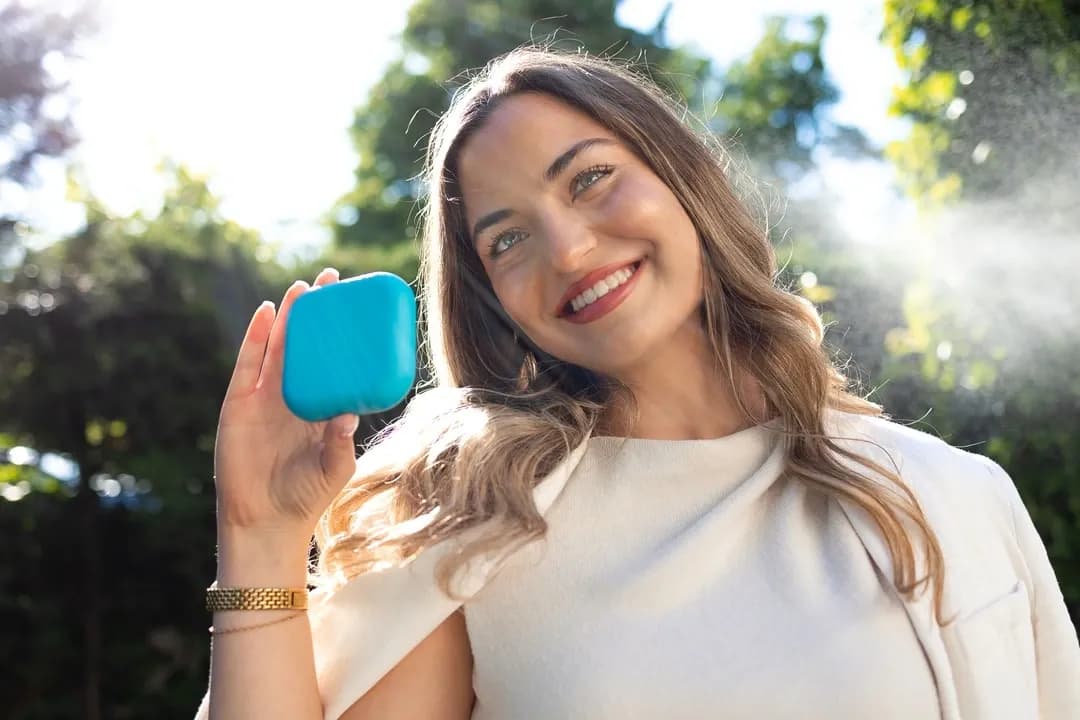
Why is summer the ideal time to start orthodontic treatment? Myths and useful tips
 Author: Dr. Dr Cristina Erciulescu
 July 30, 2026
For many families, the summer holidays are the time when they finally manage to book the medical appointments they have put off during the year. At the same time, many adults take advantage of their holidays to start treatments they have been putting off due to a lack of time. These include orthodontic treatment.
If you’re planning to undergo orthodontic treatment this summer, you’re probably wondering whether you can go on holiday or head to the seaside. The answer is yes – summer can actually be the ideal time to start treatment with braces, regardless of your age.
Why might summer be the ideal time to start orthodontic treatment?
Although orthodontic treatment can be started at any time of year, the summer months offer a number of practical advantages that make the early stages of treatment and getting used to the new routine easier.
A more flexible schedule for consultations and settling in
Starting treatment involves:
- an initial consultation;
- necessary X-rays;
- drawing up the treatment plan;
- fitting the braces.
During the summer, these stages can be scheduled more easily, without the pressure of the school timetable or a very busy work schedule.
Time to adjust
In the first few days after braces are fitted or after you start wearing aligners, you may experience a feeling of pressure on your teeth, slight sensitivity or minor irritation of the gum tissue. These symptoms are normal and temporary.
A more relaxed schedule allows the time needed to gradually adapt to the new routine, pay closer attention to diet and learn the correct oral hygiene practices.
“Summer does not affect the success of orthodontic treatment in any way. Its advantage is mainly practical: most patients adapt fully to their braces or aligners within a few days or weeks. Thus, by the time school starts or work resumes, speaking, chewing and oral hygiene are already part of their daily routine,” explains Dr Cristina Erciulescu.
What happens during the first orthodontic consultation?
Many patients choose to book their first appointment during the summer, when they have more free time.
During an orthodontic consultation, the following are assessed:
- the position of the teeth;
- the bite;
- the development of the dental arches.
Depending on the specifics of each case, the dentist may recommend imaging tests and a digital scan of the teeth, which are necessary to draw up a personalised treatment plan.
A consultation does not automatically mean that braces will be fitted. Its purpose is to identify the right solution and the best time to start treatment.
At DENT ESTET clinics, each treatment plan is tailored to the patient’s age, orthodontic diagnosis and individual goals.
Braces or summer aligners? How do you choose the right option?
The choice of orthodontic system is not determined by the season, but by the specific characteristics of each clinical case.
| Type of braces | Fixed braces | Clear aligners |
| Aesthetics | Brackets are visible when smiling | They are clear and very discreet whilst being worn |
| Suitability | Recommended for a wide range of orthodontic cases | Recommended depending on the diagnosis and treatment plan established by the dentist |
| Diet | Care should be taken with hard or sticky foods | No dietary restrictions; they should be removed before meals |
| Hygiene | More careful hygiene around the braces | Oral hygiene is easier to maintain |
| Success rate | Does not depend on patient compliance | Requires consistent wear, as recommended by the dentist (approx. 22 hours a day) |
“The choice is not based on the season, nor is it determined solely by aesthetic criteria. We analyse the position of the teeth, the bite, the patient’s age, the treatment objectives and how well the patient can follow instructions. The right option is the one that offers medical control and predictability for that particular case” – Dr. Cristina Erciulescu.
Myths about orthodontic treatment in the summer
Myth: You can’t go on holiday if you’re wearing braces or aligners
False. Going on holiday is perfectly compatible with orthodontic treatment.
If you’re planning a longer trip, it’s advisable to book a check-up before you leave. Patients wearing aligners should take all the sets they’ll need for the duration of their holiday with them, as well as their previous aligner, in case one gets lost or damaged.
“An important detail is to keep the aligners in their special case and not in a tissue, where they might be accidentally thrown away.” – Dr Cristina Erciulescu.
Myth: It’s harder to start orthodontic treatment in the summer
False. For many patients, it is actually easier.
The more flexible schedule allows consultations, examinations and initial check-ups to take place without the pressure of daily commitments. If holidays are already planned, these can be factored in right from the treatment planning stage.
Myth: The sun or high temperatures affect braces
False. Fixed braces are not affected by normal summer temperatures.
In the case of aligners, the issue is not wearing them, but exposure to very high temperatures when they are removed from the mouth. For example, it is not recommended to leave them in a hot car, on a sun lounger or to wash them with hot water, as the material may warp.
Myth: You can be less careful about oral hygiene in the summer
In reality, it is precisely in summer that oral hygiene becomes even more important.
Holidays often mean more snacks between meals, soft drinks, ice cream and nights out. All of these can disrupt your usual oral hygiene routine.
Whether the patient is wearing braces or aligners, brushing and cleaning between the teeth must be carried out with the same thoroughness to prevent the build-up of bacterial plaque and the development of tooth decay.
How do you look after your braces or aligners during the summer?
Recommended diet
Barbecues, sweetcorn, firm fruit and crunchy desserts are all part of the summer season, but some of these can put excessive strain on fixed braces.
See which foods are allowed when wearing braces
It is recommended that hard apples and vegetables be cut into small pieces, and that sweetcorn be eaten after the kernels have been removed from the cob. Plain ice cream can be eaten occasionally, but varieties with caramel, nuts or hard sweets are less suitable.
If you are wearing aligners, these should be removed before eating and before drinking anything other than water.
Hydration and oral hygiene
Drinking enough water helps keep your mouth comfortable and aids in the temporary removal of food debris when you cannot brush your teeth straight away.
If it is not possible to brush your teeth after a meal, rinsing your mouth with water is a temporary solution, but it is no substitute for brushing.
What should not be missing from your holiday orthodontic kit
As well as your usual oral hygiene products, it is a good idea to pack:
- a toothbrush and fluoride toothpaste;
- dental floss or interdental brushes;
- orthodontic wax;
- elastic bands recommended by your dentist;
- the aligner case;
- the clinic’s contact details.
If a bracket comes loose, a wire breaks or an aligner is lost, the patient is advised to contact their orthodontist before attempting any makeshift solutions.
Can you go to the seaside, the swimming pool or play sport if you’re wearing braces?
Yes. Orthodontic treatment does not prevent you from taking part in typical summer activities.
Patients can go to the seaside, the swimming pool, on trips or to summer camps without their braces being affected. Water from the swimming pool or the sea does not affect the components of the orthodontic appliance.
In the case of aligners, these must be kept in their case when removed and protected from high temperatures.
For contact sports, it is recommended to wear a protective mouthguard that is compatible with orthodontic treatment.
“Orthodontic treatment should be integrated into the patient’s life; it should not restrict their holidays or activities. A few simple measures — a check-up before you set off, a hygiene kit and suitable protection for sport — allow treatment to continue safely” – Dr. Cristina Erciulescu.
Frequently asked questions about orthodontic treatment in the summer
Can braces be fitted in the summer?
Yes. The temperature outside is not a contraindication. The first few days of settling in are similar whatever the season.
Can I go on holiday?
Yes. Book a check-up before a long trip and take the recommended toiletries and accessories with you.
Which foods should be avoided?
If you have fixed braces, avoid hard, sticky or crunchy foods. If you are wearing aligners, do not eat whilst wearing them and clean your teeth before putting them back in.
Can I wear my aligners during a heatwave?
Yes, when worn in the mouth. Do not leave them in the car in direct sunlight, and do not clean them with hot water.
Is summer a better time than autumn to start treatment?
There is no single best time of year. Summer may offer a more flexible schedule, but the choice of when to start treatment depends on the orthodontic assessment, your availability for check-ups and your ability to follow the recommendations.
Bibliography
- The On-The-Go Teeth Cleaning Tool Kit for Braces Wearers, American Association of Orthodontists, 2025.
- Spark™ Clear Aligner System – Frequently Asked Questions, Ormco
- Debunking Myths About Summer Orthodontic Care: Facts vs. Fiction, Markham Orthodontics, 2025