



 Author:
 November 17, 2026
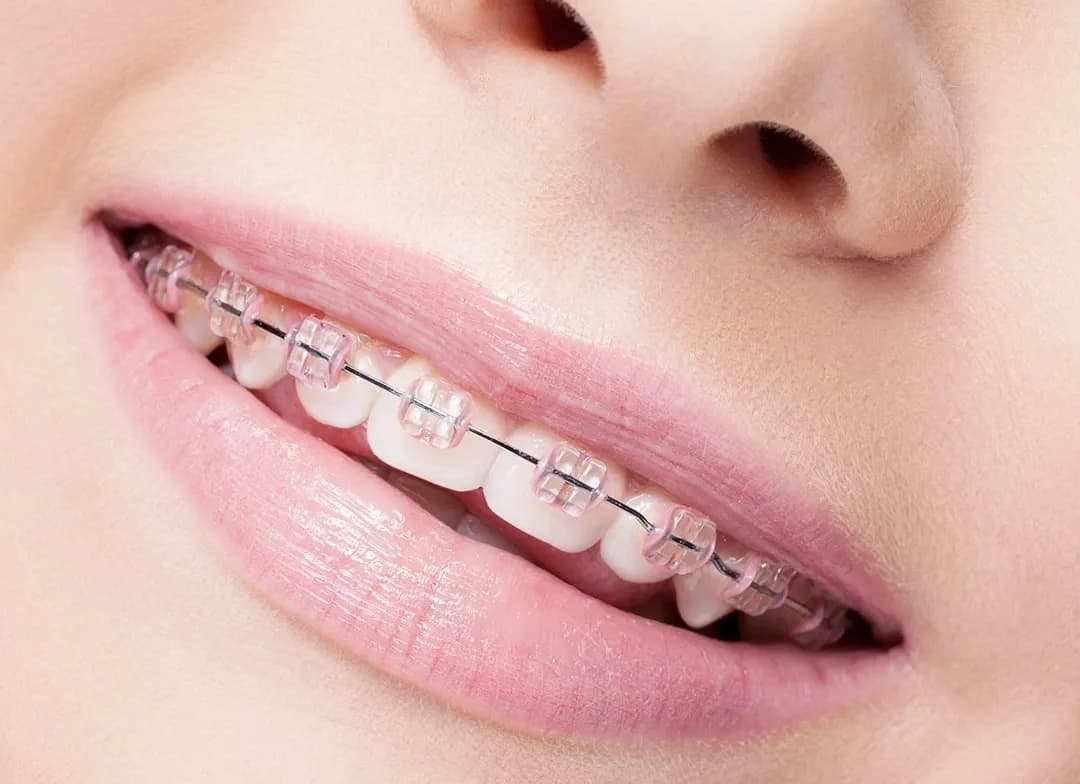
Treatment with ceramic braces takes, on average, between 12 and 24 months, although the duration may vary depending on the position of the teeth, the dento-maxillary anomaly and the body’s response to treatment. The exact duration is determined by the specialist in Orthodontics and Dentofacial Orthopaedics following a thorough consultation and the necessary investigations.
For example, the duration of orthodontic treatment for a patient with mild crowding will be significantly shorter than for a complex case requiring extractions and associated treatments.
How long does it take for ceramic braces to straighten your teeth?
The duration of treatment depends largely on the complexity of the case:
| Complexity | Duration |
| Mild cases | 6–12 months |
| Moderately complex cases | 12–24 months |
| Complex cases | over 24 months |
These timeframes are indicative and cannot replace a specialist orthodontic consultation. The duration of orthodontic treatment is also greatly influenced by the patient’s cooperation, particularly their adherence to the instructions given by the specialist.
What factors influence the duration of orthodontic treatment?
The complexity of the case
The degree of crowding or spacing, the initial position of the teeth and the type of dento-maxillary anomaly have a significant influence on the duration of treatment. Furthermore, if a tooth needs to be extracted or other procedures are required, the process is prolonged.
“For example, a patient with a reverse bite may require the fitting of a maxillary disjunction appliance in the initial stage, which can end up doubling the originally estimated duration of treatment. That is why it is important for each case to be assessed individually, and for the patient to understand that the duration of treatment depends not only on the alignment of the teeth, but also on the correction of bite problems.” – Dr Ștefan Ciobanu, specialist in Orthodontics and Dentofacial Orthopaedics
Age and the patient’s biological response
Orthodontic treatment is effective in both adolescents and adults. However, the rate at which teeth move varies, and the health of the bone and gums influences the treatment plan. In some cases, adult patients may respond more slowly, but with good cooperation, the results are excellent.
Attending orthodontic check-ups
The duration of treatment also depends on following the orthodontist’s recommendations. Attending regular check-ups, wearing orthodontic elastics correctly when advised, and avoiding hard or sticky foods all help ensure the treatment proceeds according to the established plan.
Repeatedly postponing check-ups can delay necessary adjustments, and brackets coming loose can affect the movement of the teeth and prolong treatment. In some cases, such delays can add several months to the originally estimated duration.
Oral hygiene and gum health
Poor oral hygiene can lead to the build-up of bacterial plaque, gum inflammation and the development of tooth decay – problems that may require a temporary interruption of orthodontic treatment.
In addition to correct brushing and cleaning between the teeth, professional cleaning during orthodontic treatment is important for removing bacterial build-up from hard-to-reach areas around the brackets and for maintaining gum health.
“I advise my patients to pay particular attention to their oral hygiene, especially when wearing ceramic braces, to avoid any problems that might delay the correction of their teeth.” – Dr Ștefan Ciobanu, specialist in Orthodontics and Dentofacial Orthopaedics
Do ceramic braces take longer to work than metal ones?
Ceramic braces often achieve results in a timeframe comparable to that of metal braces. The main differences relate to the material and aesthetics, not the effectiveness of the treatment.
“Ceramic brackets are more discreet and highly appreciated by patients for their natural appearance, but the decision on which model to choose should be made in consultation with the dentist. “In our clinic, we often see adult patients who prefer ceramic braces for their discreet appearance, without compromising on the medical objectives.” – Dr Ștefan Ciobanu
Find out about the advantages and disadvantages of ceramic braces
What are the stages of treatment with ceramic braces?
1. Consultation and treatment planning
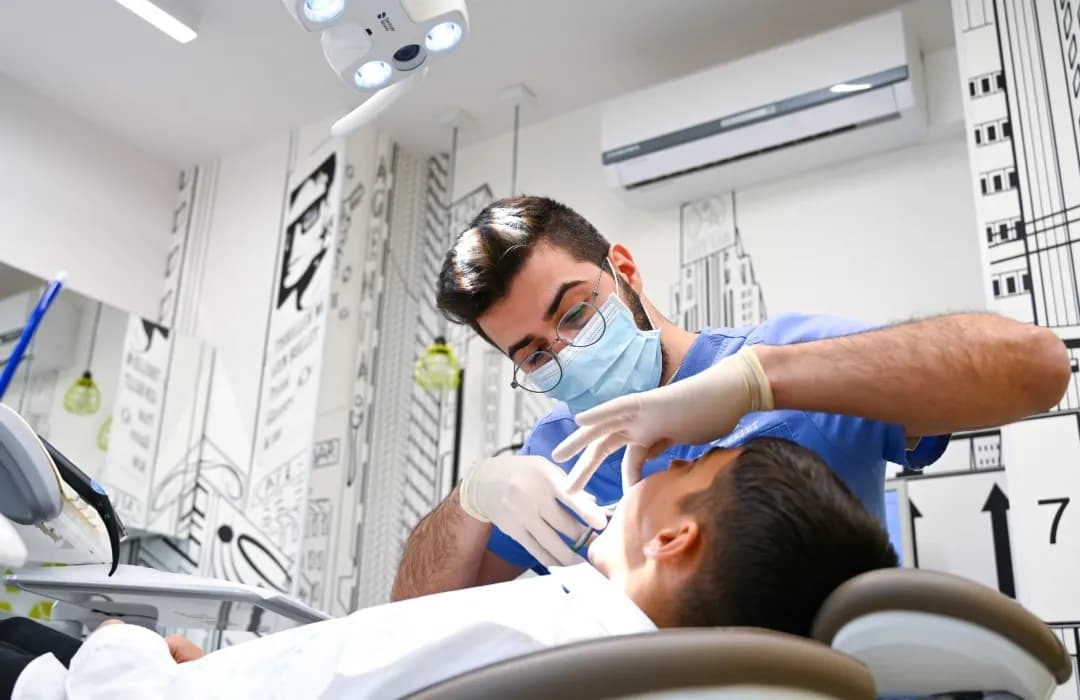
It all starts with a comprehensive examination, including photographs, X-rays and intraoral scans. This information helps to establish an accurate diagnosis and a realistic estimate of the duration of treatment.
2. Teeth alignment
By applying controlled and gradual forces, the teeth are positioned correctly, thereby correcting crowding and rotation.
3. Bite correction
The final adjustments are aimed at interarch contacts, closing gaps and achieving proper function, as well as a pleasing smile.
4. Removal of the appliance and retention
Once the braces have been removed, it is essential to wear retainers to maintain the correct position of the teeth.
Can the duration of treatment be shortened?
It is not advisable to use excessive force in an attempt to speed up the treatment, as this may lead to complications.
However, the patient can avoid delays by:
- keeping to their appointments;
- wearing the elastic bands as instructed;
- maintaining good oral hygiene;
- protecting the brackets;
- following the recommended treatment plan.
What happens after the braces are removed?
Following removal, the patient must wear retainers or other orthodontic appliances to maintain the results. It is very important that the patient continues to attend regular check-ups and maintains a rigorous oral hygiene routine.
Frequently asked questions about the duration of treatment with a ceramic braces
How long does it take to see the first results?
As a rule, the first changes become apparent within 2–3 months.
How often are orthodontic check-ups needed?
It is recommended that you see a specialist approximately once every 4–6 weeks.
Do loose braces prolong treatment?
Yes, because they can affect the rate at which the teeth move.
Is retention included in the duration of orthodontic treatment?
No, this is a separate stage, which is essential for maintaining the results.