




Oral cancer screening: how it is carried out, when and why it is essential
 Author:
  July 10, 2025
Oral cancer is a serious condition, but one that can be prevented and treated effectively if detected early. Oral cancer screening is a quick and non-invasive method of assessment, designed to identify the early signs of this disease. In this article, you will find out everything you need to know about how oral cancer screening is carried out, when it is recommended and why it is important to include it in your oral health prevention routine.
According to the World Health Organisation, the incidence of oral cancer is on the rise, and Romania is among the European countries with a significant number of new cases reported each year. Screening not only saves lives but also reduces the subsequent costs of treatment, shortens recovery time and improves the patient’s quality of life. Incorporating regular screening into your dental care routine is one of the most effective forms of active prevention.
What is oral cancer screening and when is it recommended?
Oral cancer screening is a preventive examination carried out by a dentist, even in the absence of obvious symptoms. The main difference from diagnosis is that screening is carried out proactively to prevent or identify any suspicious lesions at an early stage. Diagnosis, on the other hand, takes place after symptoms have appeared.
During screening, the dentist may observe abnormalities such as leukoplakia (white patches), erythroplakia (red patches), ulcerative lesions or abnormal nodules. These changes may be precancerous, and their timely identification gives the patient the chance to intervene before an invasive form of cancer develops. Screening is particularly valuable because patients are often unaware of the presence of these lesions.
The benefits of screening for the early detection of oral cancer
Regular screening significantly increases the chances of survival, as oral cancer is treatable when detected early. The success rate of treatment is much higher in the early stages, and interventions are less invasive and more effective. Early detection is the most powerful ally in the prevention of oral cancer.
Furthermore, early detection of oral cancer means fewer post-treatment complications, a lower recurrence rate and a significantly higher survival rate. Treatments can be limited to the localised removal of the lesion without affecting speech, eating or facial appearance. It is, therefore, a minimal investment for a major benefit.
The stages of a comprehensive screening programme for the detection of oral cancer
A detailed and proactive approach is crucial for the early detection of oral cancer. Here are the key steps involved in a thorough screening.
Clinical examination and the use of screening technologies
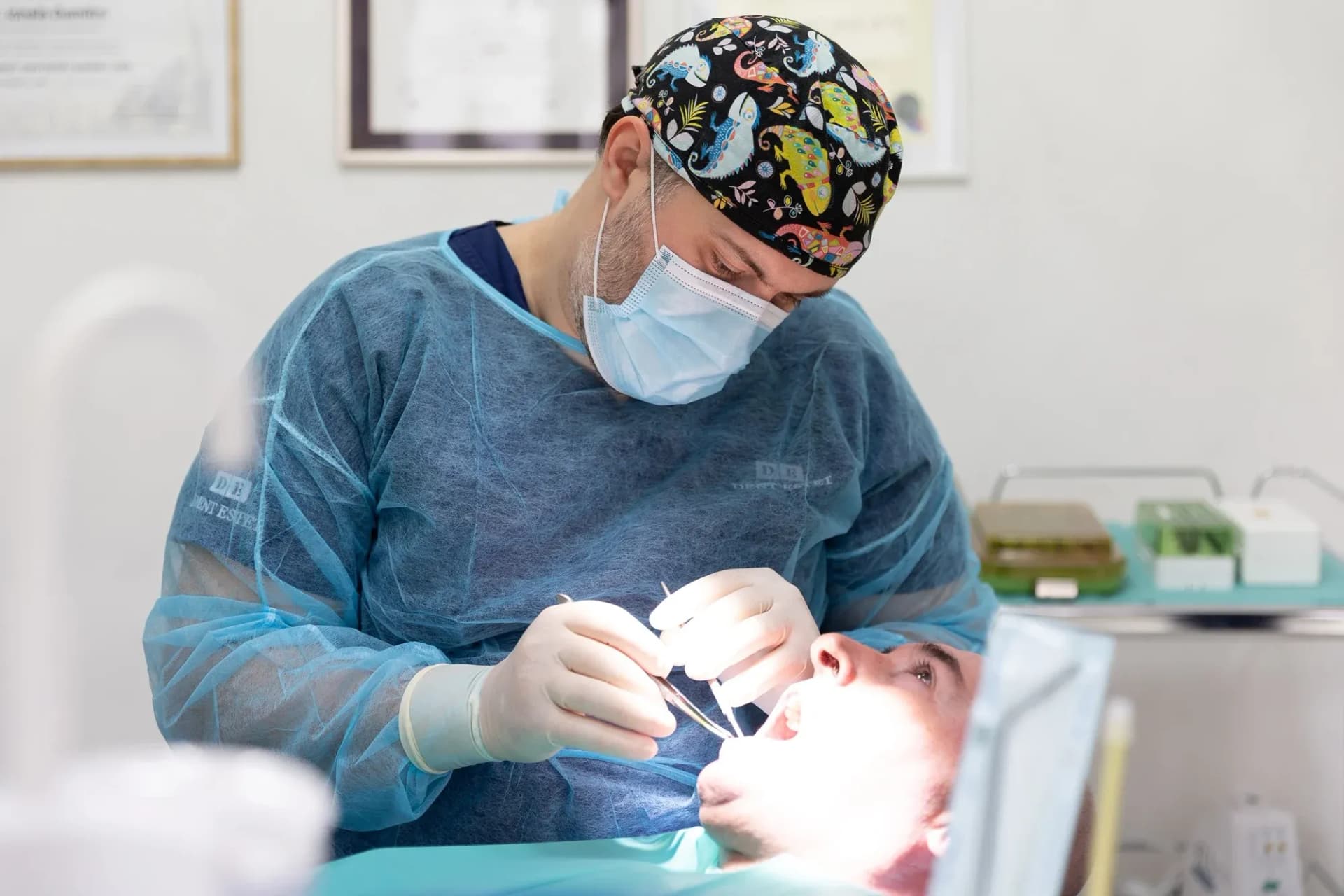
Oral cancer screening begins with a clinical examination carried out by a dentist, which involves checking the oral cavity (tongue, cheeks, gums, roof of the mouth) and palpating the lymph nodes in the neck area. The dentist looks for white or red patches, lesions, ulcers, nodules or other abnormalities.
Furthermore, at DENT ESTET clinics, we use advanced equipment, such as the Sapphire Plus Lesion Detection and Velscope VX lights, for oral cancer screening. These are fitted with a built-in digital camera, which provides a detailed image of the oral cavity and enables in-depth scanning. This enables the identification of pre-cancerous or cancerous cells that are not visible to the naked eye, as well as various infections, abnormalities or tumours in the oral mucosa.
Further investigations
In addition to the physical examination and the use of screening technologies, further tests may be carried out to detect oral cancer, as follows:
Biopsy – If the oral screening indicates suspicious areas, the doctor will take a tissue sample to be sent to a laboratory for biopsy. Through microscopic analysis of the cells, a biopsy can detect any cancerous or pre-cancerous changes.
Blood tests – Additional analyses, such as immunoglobulin electrophoresis and tests for tumour markers, help to identify abnormalities associated with oral cancer.
Imaging tests – Radiological investigations, such as computed tomography (CT) scans and magnetic resonance imaging (MRI), help the doctor to accurately determine the extent to which cancer cells have spread within the oral cavity.
When is screening for oral cancer recommended?
Oral cancer screening can make all the difference. Find out what signs and risk factors you should be aware of before undergoing such a screening.
Early signs of oral cancer identified through screening
Some of the most common signs detected during screening include:
- sores that won’t heal
- pain when swallowing
- abnormal patches on the lining of the mouth
- spontaneous bleeding
- changes in the voice or difficulty chewing.
Detecting these symptoms at an early stage can save lives and significantly reduce the complexity of the treatment required.
Sometimes, the patient may notice mild pain when chewing or persistent discomfort on one side of the mouth. These signs, although seemingly minor, may be the first indications of a lesion. Screening can also detect subtle changes in facial symmetry or tongue movement, which may signal a more serious underlying problem.
Risk factors
Anyone can benefit from an oral cancer screening, but it is essential for people with risk factors. These include: smoking, frequent alcohol consumption, HPV infection, being over 40 years of age, sun exposure (for lip cancer) or poor oral hygiene. For these individuals, annual screening is recommended. For those without risk factors, an assessment every two years is sufficient.
It is important that screening is tailored to the patient’s medical history. People with a family history of cancer, autoimmune conditions or oral viral infections should be monitored closely. Furthermore, patients who have undergone surgery in the head and neck area may benefit from more frequent check-ups. Screening is also recommended for adolescents who engage in risky behaviours, such as early smoking or alcohol consumption.
Facts and myths about oral cancer screening
“If it doesn’t hurt, it’s not serious”
This myth is extremely dangerous. Oral cancer can develop without any visible symptoms, and pain is not always present. Another misconception is that only smokers are affected – in reality, anyone can develop this condition. Screening is a preventative measure aimed at everyone.
Screening is painful
Another myth is that screening is painful or expensive. In reality, it is quick, painless and, in many clinics, included as part of routine dental check-ups. Furthermore, the absence of symptoms does not mean the absence of disease – oral cancer can progress silently until it reaches advanced stages.
Book an oral screening at DENT ESTET – simple, quick and essential
At DENT ESTET, we believe that prevention is the first step towards a healthy life. Screening for oral cancer forms part of our routine dental check-ups and plays a vital role in the early detection of oral conditions.
It is a simple, painless, quick and highly effective procedure – carefully integrated into your regular check-ups.
Don’t wait for symptoms to appear. Book a screening at DENT ESTET and benefit from the expertise of a multidisciplinary team, modern equipment and a personalised approach to oral health. Choose prevention – talk to your dentist about a monitoring plan tailored to your needs.