




Dental care: the key to oral health and the prevention of respiratory conditions
 Author:
  June 25, 2025
Did you know that proper care of your teeth and gums plays a vital role in preventing respiratory conditions? The close link between oral health and respiratory health is increasingly well-documented in medical research. In this article, we will explore together how proper oral hygiene and regular visits to the dentist can help you reduce the risk of respiratory infections, such as pneumonia, bronchitis, tonsillitis or pharyngitis.
What is dental prophylaxis?
In short, dental prophylaxis refers to all the measures we take to prevent dental problems, such as tooth decay or gum inflammation. These measures range from thorough oral hygiene at home to regular professional check-ups and cleanings at the dentist’s surgery. Through these simple practices, you maintain not only a healthy smile but also your overall well-being.
To keep your teeth healthy, the DENT ESTET team recommends some simple but highly effective procedures: scaling (tartar removal), professional polishing, fluoridation and dental sealants. Ideally, you should have these done every 6 months, or more frequently, depending on your dentist’s advice.
The link between oral health and respiratory conditions
Bacteria present in the oral cavity can migrate to the respiratory tract and cause or exacerbate infections such as pneumonia, bronchitis or sinusitis. Studies show that patients with poor oral hygiene are at increased risk of developing respiratory conditions, particularly the elderly, children or people with chronic conditions.
Furthermore, poor oral hygiene can contribute to conditions such as bacterial pneumonia, recurrent sinusitis, the exacerbation of asthma symptoms, or worsening breathlessness in people with COPD (chronic obstructive pulmonary disease).
How bacteria migrate from the mouth to the airways
When oral hygiene is neglected, bacteria accumulate in plaque and tartar, triggering inflammation of the gums and teeth. These bacteria can be inhaled whilst breathing or enter the body via saliva, particularly if there is gum bleeding or infection. In people with weakened immune systems, such as the elderly or those with chronic illnesses, the body is unable to fight these bacteria effectively, leading to the development of respiratory infections. In effect, the mouth becomes a gateway for bacteria to enter the lungs and sinuses.
How dental prophylaxis helps prevent respiratory problems
Dental prophylaxis plays a vital role not only in maintaining oral health but also in protecting the respiratory system. The mouth naturally harbours millions of bacteria. When oral hygiene is neglected, these bacteria can multiply excessively and easily enter the respiratory tract, particularly through inhalation or swallowing. This is particularly dangerous for people with weakened immune systems, the elderly, or patients with chronic illnesses.
Preventive procedures, such as professional scaling, in-clinic cleaning and regular hygiene, significantly reduce the amount of bacterial plaque and gum inflammation. This reduces the risk of bacteria reaching the lungs or sinuses, where they can cause respiratory infections.
Furthermore, chronic inflammation in the oral cavity can have a knock-on effect on the whole body, contributing to the worsening of existing conditions. By preventing and treating such inflammation, dental prophylaxis helps maintain overall health.
Dental care for children and the elderly – vulnerable groups
Children and the elderly are among the groups most at risk when it comes to the effects of poor oral hygiene. In children, the development of teeth and the immune system is still ongoing, and the lack of a proper oral hygiene routine can lead to tooth decay, gingivitis or infections. Bacteria accumulated in the mouth can easily reach the respiratory system, increasing the risk of conditions such as recurrent tonsillitis, sinusitis or even lung infections.
Conversely, older adults frequently suffer from chronic conditions and a weakened immune system, meaning that a simple, untreated oral infection can have more serious consequences. Furthermore, reduced mobility, frequent medication or a lack of support with oral hygiene can lead to neglect of dental health. This can encourage the growth of bacteria which, once they reach the lungs, can trigger severe respiratory infections.
Dental prophylaxis plays a key role in preventing these complications. In children, early education on oral hygiene, alongside regular check-ups and procedures such as fluoridation or dental sealants, helps establish healthy long-term habits. For older adults, regular visits to the dentist, adapting brushing techniques to their needs (including in the case of dental implants), and regular preventive treatments can significantly reduce the risk of oral and respiratory conditions.
Dental preventive care services at DENT ESTET
At DENT ESTET clinics, we take dental prophylaxis seriously, as it is a key element in maintaining long-term oral health. We offer comprehensive prevention plans, tailored to each age group, with a focus on minimally invasive procedures and ongoing education.
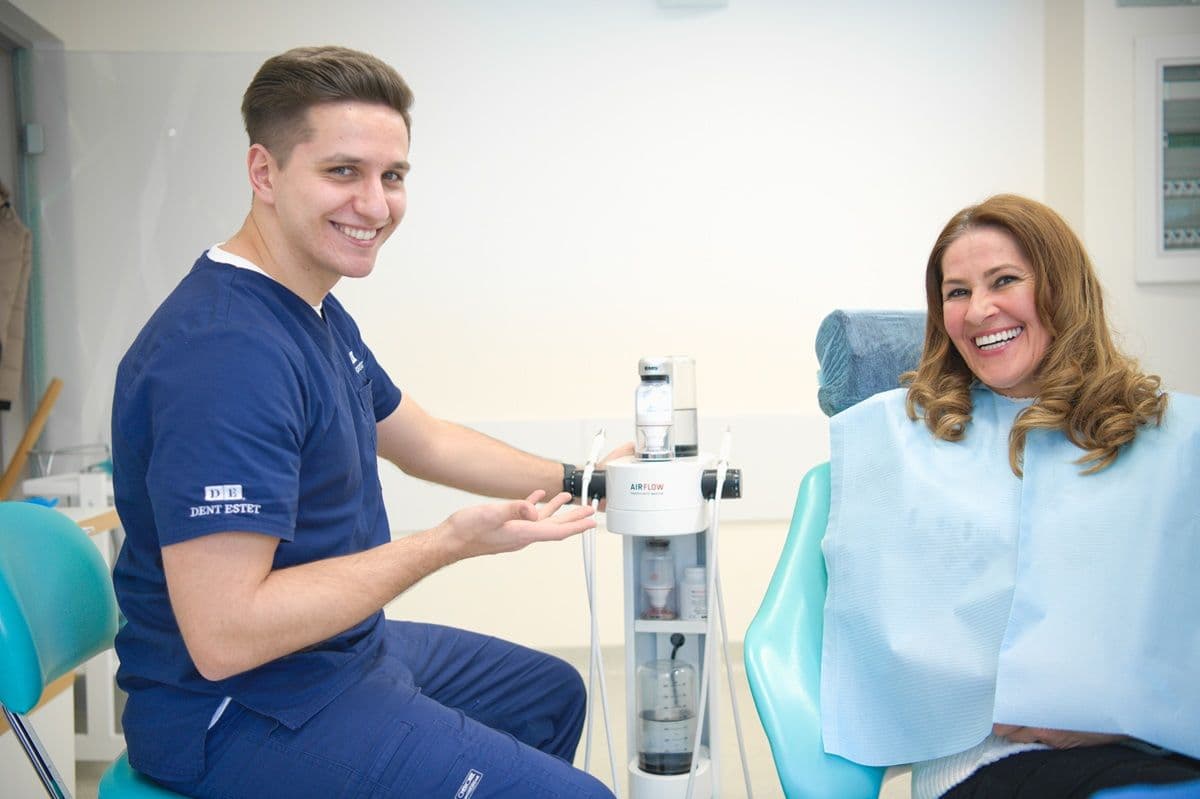
The preventive care package includes professional ultrasonic scaling, professional polishing, Airflow treatment, fluoride application and dental sealants, as well as an individual assessment of the risk of tooth decay or gum disease. In addition, each patient receives personalised recommendations for proper dental care at home, to maintain long-term results.
At DENT ESTET clinics, we take dental prophylaxis seriously, as it is a key factor in maintaining long-term oral health. We offer comprehensive prevention plans, tailored to each age group, with a focus on minimally invasive procedures and ongoing education.
Innovation in prevention: Guided bacterial plaque therapy
One of the key features that sets our approach apart is the EMS Airflow® Prophylaxis Master programme (professional prophylaxis session) – an innovative method that involves the precise identification and monitoring of risk factors using state-of-the-art technology.
Based on GBT (Guided Biofilm Therapy), a Swiss technology perfectly suited to a wide range of patients, EMS Airflow® Prophylaxis Master is the right solution whether you are dealing with periodontal conditions, wearing braces, have prosthetic work (crowns, veneers) or dental implants.
This treatment protocol is not only safe and comfortable, but also validated by international studies, guaranteeing maximum effectiveness. The entire procedure is minimally invasive, ensuring complete safety and an extremely pleasant experience for the patient.
This therapy allows for effective control of inflammation and supports a healthy oral flora, making it a valuable ally in combating respiratory infections.
Conclusion
Oral health is closely linked to general health, including that of the respiratory system. Through dental care, we not only prevent tooth decay and gum disease, but also actively contribute to protecting lung health. Don’t put off your dental check-up – it’s a simple step, but essential for your health. Book online or contact us by phone to benefit from a professional assessment.