




Treatment for oral cancer: what options are available?
 Author:
  December 8, 2025
Oral cancer is a serious condition that manifests itself in the oral cavity in the form of lesions or swellings. It can be found on the cheeks, tongue, gums and other structures. Early detection of oral cancer and appropriate treatment are essential for maintaining quality of life.
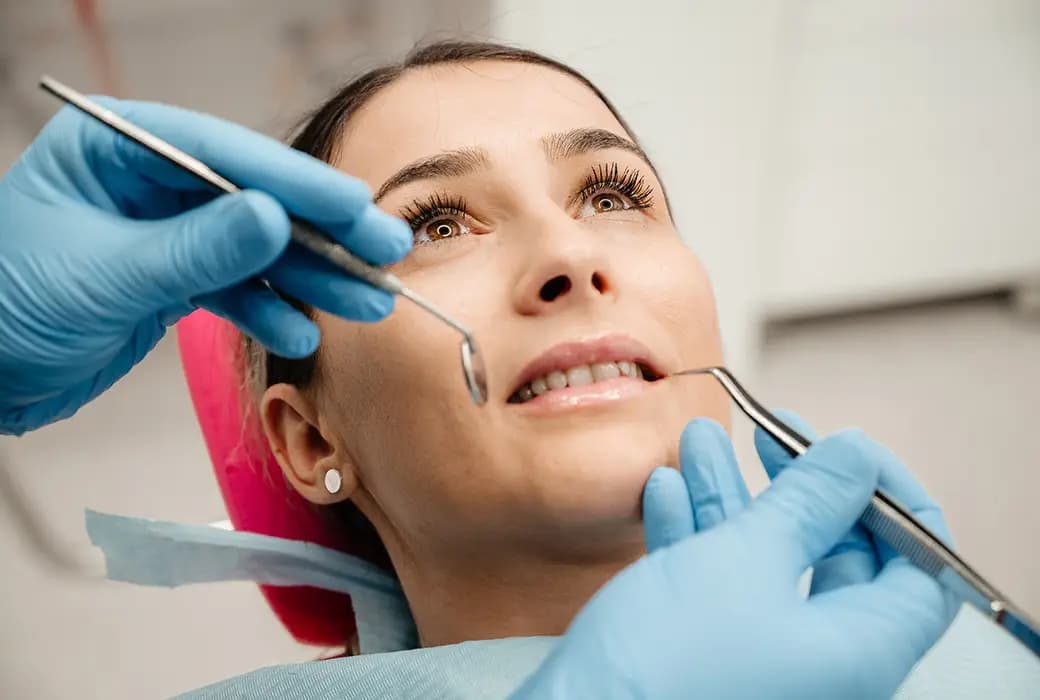
Screening for oral cancer, carried out in the dental surgery, plays an important role in the early detection of this condition and in reducing the risk of progression to advanced stages. It should be noted, however, that the treatment of oral cancer must be carried out in specialist maxillofacial surgery clinics, as a complex multidisciplinary approach involving surgeons, oncologists and dentists is required.
The importance of screening and early detection
Oral cancer screening is extremely important for the early diagnosis of tumours, as treatment is more effective and therapeutic outcomes are better at this stage.
“Even though we are talking about a serious condition, the symptoms of oral cancer, such as persistent ulcers or lumps, can often be overlooked, which is why regular dental check-ups are essential. Early identification of the symptoms of oral cancer allows for surgical intervention at an early stage, improving the success rate of treatment,” explains Dr Andrei Iamandoiu, a specialist in Dental and Maxillofacial Surgery.
Surgical treatments for oral cancer
Surgical treatment forms the cornerstone of the therapeutic approach to oral cancer, particularly when tumours are located in the cheek or are at an early stage.
There are several types of surgical procedures, ranging from local excision of the tumour to more extensive resection procedures, which may also involve the lymph nodes (lymphadenectomy).
For early-stage oral cancer, surgery can be curative, but for advanced forms it may also require complex post-operative reconstruction.
Radiotherapy for oral cancer
Radiotherapy for oral cancer can be external or internal, depending on how the radiation is delivered.
Radiotherapy is external when the radiation beams are emitted from a machine located outside the body. This method destroys any cancer cells remaining after surgery or may be used as the primary treatment in certain cases.
In some situations, the radioactive source may be placed very close to the tumour (for example, in the oral mucosa or in adjacent tissues). It is used for very well-localised, small tumours.
Side effects of radiotherapy for oral cancer include mucositis, loss of taste and local discomfort, and treatment requires careful monitoring to minimise the impact on healthy tissues.
Chemotherapy and complementary therapies
Chemotherapy is frequently used before or after surgical treatment and radiotherapy, particularly in advanced stages of the disease involving metastases. This therapy helps to reduce the size of the tumour or eliminate cancer cells that have spread.
Chemotherapy also has significant side effects, such as fatigue, nausea and damage to the oral mucosa; these are temporary but require specialist medical support.
Modern treatments and targeted therapies
Immunotherapy and targeted therapies are innovative options that stimulate the immune system to recognise and destroy cancer cells or block the tumour’s molecular mechanisms.
These therapies show promise in the treatment of difficult and metastatic forms of oral cancer, offering an additional chance for patients with advanced disease who do not respond fully to conventional methods.
Symptoms and recognition of oral cancer
Symptoms of oral cancer include:
- ulcers or sores that do not heal
- persistent pain
- unexplained bleeding
- lumps
- numbness
When it comes to symptoms, it is important to distinguish between mouth ulcers and oral cancer. Mouth ulcers are also lesions that develop in the mouth, on the cheeks or on the gums, but they are benign.
Lesions specific to oral cancer are persistent and are accompanied by other alarming symptoms. Prompt recognition of the symptoms of oral cancer increases the chances of effective treatment.
Patient management and monitoring
Post-treatment follow-up is essential for monitoring potential recurrences, the early detection of complications and the maintenance of long-term oral health. Regular visits allow us to assess healing, adjust supportive treatments and quickly identify any suspicious changes.
"At DENT ESTET clinics, the management of patients with oral cancer is integrated and coordinated. A multidisciplinary team, comprising the dentist, the maxillofacial surgeon and the oncologist, collaborates at every stage, from initial treatment through to functional and aesthetic rehabilitation. This comprehensive approach ensures not only control of the disease but also the best possible restoration of the patient’s quality of life,” explains Dr Andrei Iamandoiu.
Prevention and screening
Reducing the risk of oral cancer starts with adopting healthy habits:
- Giving up smoking is one of the most important steps, as tobacco significantly increases the risk of precancerous lesions
- Limiting alcohol consumption is equally important. When combined with smoking, alcohol consumption amplifies the harmful effects on the oral mucosa.
- A balanced diet, rich in fruit and vegetables with a high antioxidant content, helps maintain tissue health.
- We must not forget about sun protection for the face and lips. This reduces the risk of lesions caused by UV radiation, especially in the case of prolonged exposure.
Regular screening at the dentist’s surgery is an essential measure for the early detection of oral cancer.
People with risk factors, such as smokers, those who frequently consume alcohol, or patients with recurrent oral lesions, should undergo more frequent check-ups, as early diagnosis significantly improves the chances of successful treatment and recovery.
Conclusion
Oral cancer is a serious condition, but one that can be treated when detected in time. Understanding the risk factors, adopting a healthy lifestyle and attending regular dental check-ups can make the difference between a late diagnosis and an early one, with a high chance of recovery.
At DENT ESTET, we integrate prevention, diagnosis and rehabilitation into a comprehensive programme, dedicated not only to treating the disease but also to restoring quality of life. A timely consultation can preserve functionality, aesthetics and general health, and accurate information is the first step.
Bibliography
- Mayo Clinic - Diagnosis and treatment of mouth cancer
- American Cancer Society - Oral cavity and oropharyngeal cancer treatment, 2025
- NHS - Treatment for mouth cancer
- Cleveland Clinic - Oral cancer, 2022
- Cancer.gov - Lip and Oral Cavity Cancer Treatment (PDQ®) - Patient Version, 2025
- ScienceDirect - Oral cancer: Recent breakthroughs in pathology and therapeutic approaches
- Cancer Research UK - Decisions on mouth cancer treatment