



Tooth erosion: causes, symptoms and ways to protect tooth enamel
 Author: Dr. Dan Straja
 October 13, 2026
Tooth erosion is one of the problems I see most often being overlooked. It doesn’t hurt at first, there’s no clear moment when it ‘appears’, and patients usually only realise something is wrong when they experience sensitivity or notice that their teeth look different.
In short, erosion is the gradual loss of enamel caused by acids. Once lost, enamel does not regenerate, which is precisely why it is worth understanding what causes it. Identifying the cause is just as important as the treatment, and prevention often makes the difference between a problem that is kept under control and one that gets worse.
What is dental erosion?
Tooth erosion is the progressive loss of hard tooth tissue caused by the chemical action of acids that do not originate from bacterial activity. Initially, the enamel is affected, and in advanced stages, the dentine may also be exposed.
Unlike dental caries, erosion is not caused by acids produced by bacteria in dental plaque. The acids involved may come from food or from the stomach, for example in the case of gastro-oesophageal reflux.
Erosion, abrasion or attrition?
There is no single mechanism underlying dental wear, and all three types can occur simultaneously in the same person:
| Condition | The process that causes it |
| Erosion | Chemical action: acids gradually dissolve the enamel |
| Abrasion | Mechanical wear: aggressive brushing, overly abrasive toothpastes, objects held between the teeth |
| Attrition | Contact between teeth: grinding, clenching, chewing |
Precisely because these mechanisms can occur together, an accurate diagnosis requires a thorough examination.
What are the main causes of tooth erosion?
Acidic foods and drinks
Fizzy drinks, energy drinks, citrus fruits and other foods with a low pH are among the most common causes. It is not just a question of which acidic foods or drinks you consume, but also how often you consume them and how long they remain in contact with your teeth. For example, repeatedly sipping an acidic drink throughout the day can prolong the enamel’s exposure to acids, compared with occasional consumption during a meal.

How do saliva and dry mouth affect tooth erosion?
As well as limiting frequent exposure to acids, a varied diet helps to maintain oral health. Find out which foods for healthy teeth and gums can be included in a balanced diet.
“Tooth enamel isn’t bothered by an orange eaten at mealtimes. It is bothered by acidic juice sipped in small sips throughout the day.”
— Dr. Dan Straja, DENT ESTET
Gastro-oesophageal reflux and stomach acids
Stomach acid is very strong, and when it reaches the mouth, the enamel suffers. This can happen in cases of gastro-oesophageal reflux or repeated episodes of vomiting. If you suspect a medical cause, it is important that it is identified and treated, because otherwise simply protecting your teeth will not solve the problem.
How do saliva and dry mouth affect tooth erosion?
Saliva plays a protective role: it neutralises acids and helps restore balance in the mouth. When saliva flow decreases and a dry mouth sensation occurs, this protection weakens, and acids remain in contact with the teeth for longer. Hydration matters, and the frequency of exposure to acids becomes even more significant when there is little saliva.
How can you recognise dental erosion? Signs and symptoms
The symptoms may be subtle. It is worth keeping an eye out for:
- sensitivity to cold, heat or acidic foods;
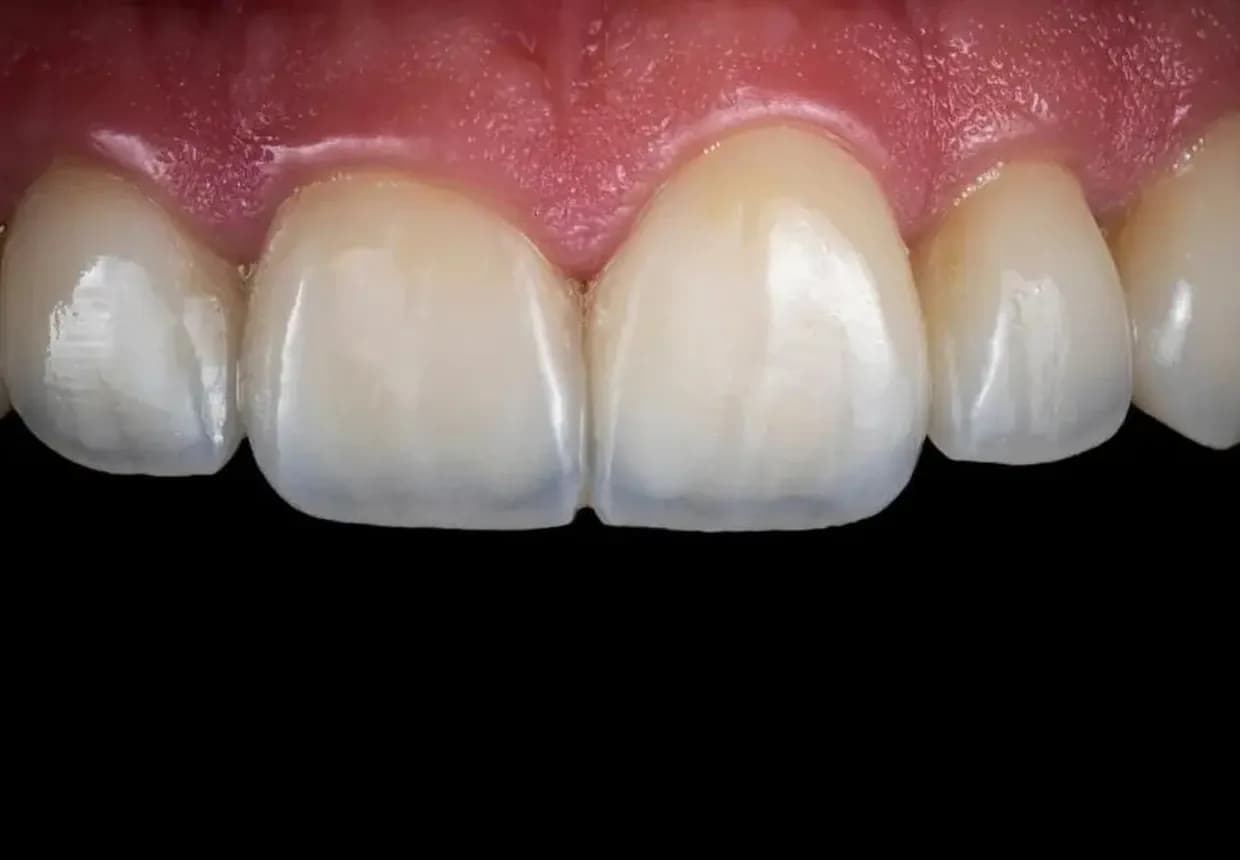
- thinner enamel;
- increased transparency at the edges of the teeth;
- changes in tooth colour (the dentine, which is more yellowish, becomes more visible);
- smoother or glossier surfaces;
- thinner or irregular tooth margins;
- changes in tooth shape, in advanced stages.
Sensitivity to cold, hot or acidic foods can have several causes, not just enamel erosion. Find out more about tooth sensitivity, the factors that contribute to it and treatment options.
How does tooth erosion develop?
Early-stage erosion
The damage is superficial, and the symptoms are subtle or absent altogether. This is precisely why early detection is so valuable: at this stage, we can intervene before important structural elements are lost.
Erosion in advanced stages
Enamel loss is more significant, the dentine becomes exposed, and sensitivity increases. Functional changes (chewing, sensitivity to any stimulus) and aesthetic changes (the shape and colour of the teeth) may occur.
How is dental erosion diagnosed?
Diagnosis begins with a clinical examination and the identification of the affected areas. We then discuss dietary history, oral hygiene habits and possible internal sources of acidity, such as reflux. An important step is to distinguish this condition from other types of tooth wear, as the treatment differs. As erosion develops over time, it is useful to monitor the condition at check-ups, rather than simply noting it on a single occasion.
How can you protect your tooth enamel from erosion?
Limit frequent exposure to acids
Cut down on acidic drinks and snacks, avoid holding acidic drinks in your mouth and, where possible, consume them with meals. You don’t have to give them up altogether, but you should consume them more carefully.
Adjust your brushing technique
Avoid aggressive brushing; choose a suitable toothbrush and appropriate toothpaste. Do not brush immediately after exposure to acids, as the enamel is softer and more vulnerable at that time. A wait of around 30–60 minutes is usually recommended. Follow your dentist’s advice on oral hygiene.
Gentle brushing, using a fluoride toothpaste and cleaning your teeth properly are also important for preventing other oral problems. Discover the recommendations for a proper oral hygiene routine, tailored to your daily needs.
The role of fluoride and products for enamel protection
Fluoride products can help protect the tooth surface and promote the remineralisation of superficially demineralised areas. However, remineralisation does not mean the regeneration of enamel already lost through erosion.
Depending on the extent of the damage, your dentist may recommend fluoride toothpastes, desensitising products or professional treatments to reduce sensitivity and limit the progression of erosion.
Rinse your mouth with water after consuming acidic foods and drinks
It’s a simple but useful step: water helps to dilute the acids and reduce the time they remain on your teeth.
“Erosion doesn’t show up overnight, but it becomes apparent over time. A check-up every six months helps us catch it whilst we can still stop it, not just repair it.”
— Dr. Dan Straja
How is tooth erosion treated?
Preventative measures and monitoring
The first step is to identify and address the cause. This is followed by changes to dietary habits, adjustments to oral hygiene and regular monitoring. In many early-stage cases, this is sufficient.
Managing tooth sensitivity
Sensitivity can be reduced using desensitising products and professional treatments, which protect the exposed surfaces.
Restorative treatments
When there is significant loss of tooth structure, the following may be required:
- composite restorations;
- veneers, where indicated;
- crowns or other restorations, when there is significant loss of tooth structure.
Treatment planning is tailored to each individual, as every case has its own extent and specific objectives.
How do dental check-ups help prevent the progression of erosion?
Regular check-ups enable the early detection of changes in tooth enamel, the provision of personalised advice on oral hygiene, and the monitoring of risk factors. The aim is to prevent the condition from progressing to more advanced stages, when treatment becomes more complex.
When should you go to the dentist?
Book an appointment if:
- your tooth sensitivity persists;
- you notice changes in colour or transparency;
- the edges of your teeth are becoming thinner;
- there are visible signs of wear;
- you have gastro-oesophageal reflux or repeated episodes of heartburn;
- the shape of your teeth is gradually changing.
Frequently asked questions about tooth erosion
Can tooth enamel be restored?
Not entirely. Very early-stage tooth decay can be remineralised, but the lost structure does not grow back.
Is dental erosion the same as tooth decay?
No. Tooth decay is caused by bacteria, whereas erosion is caused directly by acids, without the involvement of bacteria.
Can fizzy drinks damage tooth enamel?
Yes, especially if they are consumed frequently or sipped slowly. The number of times you are exposed to them each day also matters.
Can lemon water cause tooth erosion?
It can help, especially if you drink it often or hold it in your mouth for a long time. Rinsing your mouth with water after drinking it helps.
How long should I wait before brushing my teeth after eating acidic foods?
It is usually recommended to wait for about 30–60 minutes, during which time you can rinse your mouth with water.
Can tooth sensitivity be a sign of erosion?
Yes, it may be one of the first signs, but there are other causes as well. A consultation will determine what is going on.
Can acid reflux damage tooth enamel?
Yes. Repeated contact with gastric acid can erode the enamel, which is why the underlying medical cause must be identified.
Can tooth erosion be stopped?
The progression can be slowed down or halted by addressing the cause, adjusting one’s habits and monitoring the condition.
What treatment is available if the enamel is already damaged?
It depends on the extent of the damage: from desensitising treatments and monitoring to composite fillings, veneers or crowns.
Protecting tooth enamel starts with identifying the cause of tooth erosion
Tooth erosion is a progressive condition. Repeated exposure to acids must be reduced, and oral hygiene adjusted accordingly. The cause must be identified before choosing a treatment, and regular check-ups help to monitor the enamel.
If you have sensitivity that won’t go away or have noticed changes to your teeth, book an appointment. We’ll work out together what’s going on and how we can protect your enamel.