




 Author:
  November 3, 2025
Bruxism is a common condition characterised by the involuntary grinding or clenching of the teeth, usually during sleep. In mild cases, the patient may not notice anything, but over time symptoms such as enamel wear, jaw pain, morning headaches or sleep disturbances may develop.
This condition can occur at any age, including in children, and is closely linked to stress, anxiety, occlusal imbalances or sleep disorders. Without treatment, bruxism leads to the gradual destruction of enamel and can even damage the temporomandibular joint.
One of the most commonly used ways to protect the teeth from the effects of bruxism is a night guard, also known as a bruxism guard. It creates a protective barrier between the upper and lower teeth, helping to reduce the effects of involuntary grinding and clenching while protecting both the tooth enamel and existing dental restorations.
What is a dental mouthguard and how does it treat bruxism?
A dental mouthguard is a medical device made from biocompatible materials; it is transparent or slightly flexible and custom-made to fit the patient’s teeth. It is worn mainly at night to protect the teeth from the forces generated by involuntary teeth grinding.
By creating a barrier between the dental arches, the mouthguard reduces pressure on the teeth and masticatory muscles, preventing:
- tooth wear and fractures;
- pain and tension in the jaw area;
- headaches caused by strain on the temporomandibular joint.
In addition, regular use of a night-time mouthguard helps to relax the jaw muscles and improve sleep quality. Studies show that patients who use a mouthguard consistently report a significant reduction in jaw pain after 2–3 weeks.
For maximum effectiveness, a custom-made mouthguard made at the dentist’s surgery is recommended, as it offers superior comfort and a perfect fit on the teeth compared to standard over-the-counter models.
“It is very important for patients to realise that a preventive method as simple as a bruxism mouthguard can have significant long-term results. A mouthguard that is correctly fitted and replaced when it loses its effectiveness significantly improves oral health, preventing tooth wear and muscle or joint pain.”— Dr Mihnea Grigore, Dentist at DENT ESTET
Types of mouthguards for bruxism
Depending on the material, level of comfort and method of manufacture, there are several types of mouthguards used in the treatment of bruxism. Choosing the right type depends on the severity of the symptoms, the patient’s age and the dentist’s recommendation.
Standard night-time mouthguard
Standard mouthguards can be purchased from a pharmacy or online and are a quick and affordable solution for mild cases of bruxism. They are made from flexible materials and can be adjusted at home by heating, but they do not fit the dental arch perfectly.
Although they offer minimal protection, they can be uncomfortable to wear and wear out more quickly. For this reason, they are recommended only temporarily or in emergencies, until a custom-made mouthguard is made.
Custom-made mouthguard at the dental surgery
A mouthguard made at the dentist’s surgery, based on a digital or traditional impression, offers the best balance between comfort, effectiveness and durability. It is perfectly adapted to the shape of the teeth, which prevents discomfort and slipping during sleep.
This type of mouthguard is made in the dental laboratory from durable, biocompatible materials and is easy to clean and maintain. Furthermore, its lifespan can exceed 12 months, depending on the severity of the bruxism and the care taken by the patient.
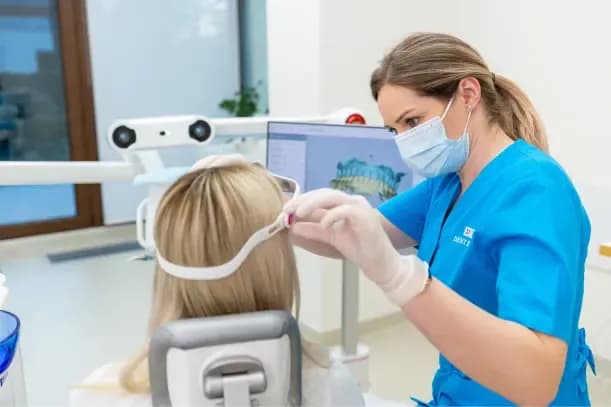
At DENT ESTET clinics, custom-made mouthguards for bruxism can be produced using Modjaw 4D digital technology in advanced cases requiring muscle relaxation therapy. The Modjaw scanner allows the actual movements of the jaw to be recorded. Thus, the mouthguard is individually designed with superior precision and optimal comfort, reducing muscle tension and protecting the temporomandibular joint.
For patients with dental restorations or implants, a custom-made mouthguard is essential, as it protects both natural teeth and the restorations carefully crafted in the clinic.
“The bruxism mouthguard is not merely an accessory, but an essential device for protecting natural teeth and restorations crafted with care and precision. I often see patients who neglect to use it for the sake of convenience, without realising the risks. Over time, involuntary grinding can lead to cracks in crowns, loosening of implants and muscle pain.”— Dr Mihnea Grigore, Dentist at DENT ESTET
Children’s mouthguard
Bruxism can also occur in children, especially during periods of tooth replacement. In these cases, the dentist may recommend a mouthguard specially designed for primary teeth – softer and more flexible, so as not to affect the development of the jawbones.
As a rule, for children, the mouthguard is a temporary solution, used only if the grinding persists and causes visible wear to the teeth. In most cases, bruxism disappears once the permanent teeth have come through and the nervous system has matured.
The differences between these types of mouthguards are also reflected in the final price, which varies depending on the degree of customisation and the material used. A mouthguard made in the dental practice offers long-lasting protection and is a sound investment in dental health, compared to standard models that require frequent replacement.
The causes and symptoms of bruxism
Bruxism is a multifactorial disorder influenced by psychological, neurological and occlusal factors. Although it frequently occurs during sleep, it can also occur during the day without the patient realising it.
The most common causes identified in dental practice are:
- Stress and anxiety – these are the main triggers. During periods of psychological tension, the nervous system involuntarily stimulates the jaw muscles, leading to clenching or grinding of the teeth at night.
- Misaligned bite – when the teeth do not align correctly, the masticatory muscles are forced to compensate, leading to excessive activity and muscle fatigue.
- Sleep disorders – apnoea, insomnia or shallow sleep can exacerbate episodes of nocturnal bruxism.
- Consumption of caffeine, alcohol and nicotine – all these substances stimulate the central nervous system, reducing the duration of deep sleep and promoting involuntary muscle contractions.
- Genetic and temperamental factors – studies show a higher incidence of bruxism in people with high levels of reactivity and perfectionism.
Bruxism can go unnoticed for years, but its effects on the teeth and the temporomandibular joint become apparent over time. Among the most common symptoms are:
- pain or tension in the jaw area, especially in the morning;
- visible tooth wear, with worn edges or fine cracks in the enamel;
- increased tooth sensitivity;
- headaches or earaches, especially upon waking;
- restless sleep, with frequent waking;
- pain in the temporomandibular joint (TMJ).
In severe cases, bruxism can even affect facial aesthetics, through hypertrophy of the masseter muscles, giving the jaw a more ‘square’ appearance.
For a correct diagnosis, a full dental examination is required, which may include an assessment of the bite, evaluation of tooth wear and, in some cases, digital recordings of jaw movements.
“I have noticed a clear increase in patients’ interest in bruxism mouthguards, as awareness of the negative effects of night-time teeth grinding grows. More and more people are choosing this non-invasive, comfortable and effective solution to protect their teeth.” — Dr Mihnea Grigore
How to use a dental mouthguard
Treatment for bruxism always begins with a comprehensive dental assessment, during which the dentist identifies the type of bruxism, the extent of tooth wear and any occlusal imbalances. Depending on the results, a decision is made as to whether the patient requires a standard or a custom-made mouthguard.
Recommended steps
- Dental consultation – the first step involves a clinical examination of the teeth and the temporomandibular joint (TMJ). The dentist may request dental impressions or X-rays to accurately assess the dental contacts.
- Fabrication of the mouthguard – in the dental laboratory, the mouthguard is custom-made from transparent biocompatible materials. The process usually takes 2–3 days.
- Fitting and patient instruction – once the mouthguard has been received, the dentist checks that it fits the teeth perfectly and explains how to use and care for it correctly.
- Wearing the mouthguard – this is worn at night, every night, until the symptoms disappear. In severe cases, it is recommended to wear it during the day as well, during periods of stress.
“I understand that getting used to the mouthguard can be uncomfortable at first, but its benefits far outweigh the initial discomfort. It is a real measure of protection for oral health and an investment in dental treatments,” explains Dr Grigore.
- Regular monitoring – check-ups every 6 months allow the effectiveness of the treatment to be assessed and, if necessary, the worn mouthguard to be replaced.
“Patients who wear the mouthguard at night must pay special attention to oral hygiene. During this time, saliva flow is reduced, and bacteria can multiply more easily. That is why thorough brushing before bed becomes essential,” advises Dr Grigore.
Recommendations for parents
For children with bruxism, treatment must be adapted to their age and stage of dental development. In most cases, teeth grinding in children is temporary and disappears once the permanent teeth have come through.
The dentist may recommend a soft mouthguard, specially designed for primary teeth, only if:
- tooth wear is evident;
- the child complains of pain or muscle fatigue;
- bruxism is affecting sleep and rest.
In addition to the mouthguard, managing emotional stress is also important, especially in sensitive or overworked children. A relaxing bedtime routine and avoiding screens before bed can significantly reduce the frequency of bruxism episodes.
A mouthguard used correctly can last for over a year, and its effectiveness depends on following the dentist’s instructions and maintaining good daily hygiene. Before going to bed, it is essential that patients brush their teeth thoroughly to prevent bacteria from accumulating under the mouthguard during the night.
The price of a mouthguard for bruxism
The cost of a night guard for bruxism varies depending on the type of appliance, the material used, the level of customization, and the technology involved in its fabrication. Standard night guards are generally more affordable, while custom-made guards based on impressions of the patient’s teeth typically cost more due to their individualized fit and higher level of comfort and protection.
For patients looking for information about the cost of a night guard for bruxism, it is important not to make a decision based on price alone. A night guard should fit the dental arch properly and be recommended based on the severity of bruxism, the condition of the teeth, and any existing dental restorations or implants.
- Standard night guard: the estimated cost is approximately 150–300 RON. This is a more affordable option, generally intended for temporary use, as it is not custom-fitted to the patient’s dental arch.
- Custom-made night guard for bruxism: the estimated cost is approximately 600–1,000 RON. It is made from an impression of the patient’s teeth, providing a more precise fit, greater comfort, and better protection for the teeth and existing dental restorations.
- Night guard for children: the estimated cost is approximately 400–700 RON . It is made from more flexible materials and is recommended only when bruxism causes tooth wear or discomfort.
Prices may vary slightly depending on the complexity of the case, the material used and the manufacturing technology.
For an accurate estimate, please visit the DENT ESTET pricing page or book a dental assessment at one of our clinics.
At DENT ESTET, we create custom-made mouthguards using modern digital technologies, tailored to each type of bite and level of bruxism. In addition, patients benefit from a comprehensive assessment and advice on the correct use and maintenance of the device.
“We have noticed a clear increase in patients’ interest in bruxism mouthguards, as awareness of the negative effects of night-time teeth grinding grows. More and more people are choosing this non-invasive, comfortable and effective solution to protect their dental health.”— Dr Mihnea Grigore
Frequently asked questions about dental mouthguards and bruxism
What is a night guard and how does it help treat bruxism?
A night guard is a dental device worn whilst sleeping, acting as a protective barrier between the teeth. It absorbs the forces generated by involuntary teeth grinding, preventing wear and cracking of the enamel, as well as jaw pain.
Is a mouthguard effective for bruxism in children?
Yes, but only in moderate or severe cases, when the grinding persists and affects the baby teeth. In mild cases, regular monitoring and stress reduction are recommended, as bruxism usually disappears once the permanent teeth have come through.
How much does a dental mouthguard for bruxism cost?
The cost of a night guard for bruxism varies depending on the type, material, and level of customization. A standard night guard typically costs around 150–300 RON, while a custom-made night guard based on an impression of the patient’s teeth may cost approximately 600–1,000 RON. The exact cost is determined following a dental assessment.
How long should the night-time mouthguard be worn?
The mouthguard should be worn every night whilst you sleep. Depending on the severity of your bruxism, your dentist may recommend long-term daily use or use only during periods of high stress.
Can a dental mouthguard prevent tooth wear?
Yes. It is the most effective non-invasive solution for protecting teeth against the forces generated by involuntary teeth grinding. Furthermore, it reduces muscle discomfort and prevents damage to existing dental work.
What are the symptoms of nocturnal bruxism?
The most common symptoms are teeth grinding during sleep, pain in the jaw area, enamel wear, tooth sensitivity and frequent waking during the night.
What causes bruxism in adults and children?
In adults, the main factors are stress, anxiety, malocclusion and sleep disorders.
In children, bruxism is often a temporary reaction to stress, tiredness or the eruption of permanent teeth.